
Will Your Consumer Unit Need Upgrading Before an EV Charger Is Fitted?
Not every home needs a consumer unit upgrade before installing an EV charger. Discover what installers check, when an upgrade may be recommended, and how assessing your electrical system can help ensure a safe, reliable installation in your Swinton home.

Why you can trust our content
We understand that the EV charger industry can be confusing, with plenty of outdated or misleading information. That’s why we rely only on trusted, proven sources to guide our advice and installations:

At a glance
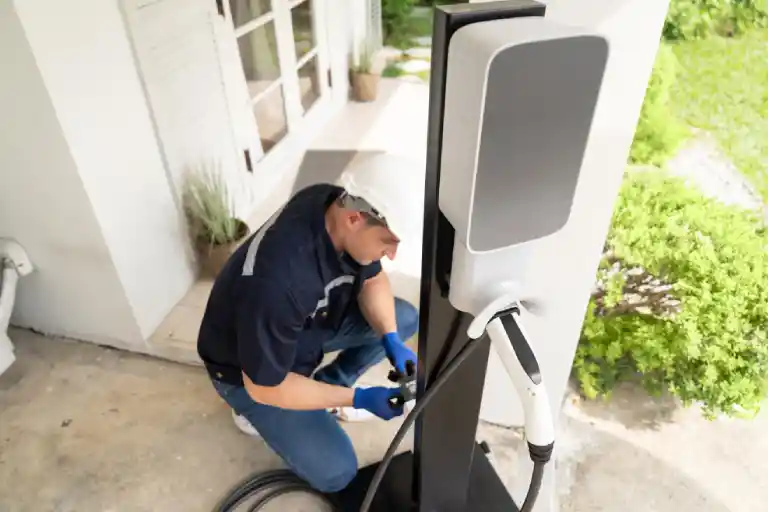
Installing an electric vehicle charger at home is a practical upgrade, but before the charger can be connected, your existing electrical system needs to be assessed.
The consumer unit is one of the most important parts of this assessment. It controls the electrical circuits throughout your home and helps protect your property from electrical faults. If it is outdated or not suitable for additional demand, some improvements may be required before a charger can be installed.
Many modern homes are already prepared for EV charging, but older properties may need extra checks. Understanding what installers look for can help you know what to expect before your installation begins.
A professional ev charger installation service includes reviewing your electrical setup to make sure your new charger can operate safely and reliably.
What Does a Consumer Unit Do in Your Home?
The consumer unit is the main control point for your home’s electrical circuits. It distributes electricity to different areas of the property while providing protective devices designed to improve safety.
When an EV charger is added, it creates a new electrical demand that needs to be connected correctly.
During an assessment, an installer may check:
- The age and condition of your consumer unit
- Available space for additional protective equipment
- The type of safety devices already installed
- Whether the electrical system meets current requirements
A suitable consumer unit helps ensure your charger works safely alongside your existing household appliances.
Does Every Home Need a Consumer Unit Upgrade for an EV Charger?
No. Many properties can have an EV charger installed without replacing their consumer unit.
Whether an upgrade is needed depends on factors such as:
- The age of your electrical system
- The condition of existing equipment
- Available capacity
- Current safety features
- The charger being installed
A survey is the best way to confirm whether your home requires any improvements.
Replacing a consumer unit unnecessarily can add costs, while ignoring an unsuitable system can create safety concerns. A proper assessment helps find the right solution.
What Signs Suggest Your Consumer Unit May Need Attention?
Some properties show signs that their electrical system may benefit from an inspection before adding an EV charger.
Possible indicators include:
- An older style fuse box
- Limited protection features
- A lack of available space for additional circuits
- Previous electrical modifications
- Frequent electrical issues
These signs do not automatically mean an EV charger cannot be installed, but they suggest a closer assessment may be worthwhile.
What Does an Installer Check Before Connecting an EV Charger?
Before installation begins, a qualified installer will review several parts of your electrical system.
| Check | Why It Matters |
| Consumer unit condition | Confirms whether the system is suitable for additional electrical demand |
| Protective devices | Helps ensure safe operation of the charger |
| Electrical capacity | Checks whether your supply can support charging alongside normal household use |
| Cable route | Determines how the charger can be connected effectively |
| Earthing arrangements | Supports safe electrical operation |
These checks help create a charging setup that works properly from the first day.
Why Are Electrical Safety Checks Important for EV Chargers?
An EV charger operates at a higher continuous load than many everyday household appliances. Because of this, installation needs careful planning rather than simply connecting a charger to an available circuit.
Safety checks help:
- Reduce the risk of electrical faults
- Confirm compatibility with your property
- Ensure the charger is installed correctly
- Provide confidence that the system is ready for regular use
Working with qualified local ev installation experts can help ensure your installation follows the correct standards and suits your home.
Let’s get started. Which type of EV charger do you need?
Home
Workplace
It just takes 60 seconds
And then you can book a free consultation
Can an Older Swinton Property Still Have an EV Charger Installed?
Yes. Many older homes can be upgraded to support EV charging.
Properties built before modern electrical requirements may simply need some improvements before installation. This does not mean an EV charger is unsuitable.
For example, a traditional Swinton terrace property may have enough electrical capacity but require an updated consumer unit before a charger can be safely added.
After inspection, an installer may recommend a suitable approach that keeps disruption to a minimum.
How Much Does a Consumer Unit Upgrade Add to an EV Charger Project?
The additional cost depends on the work required. Some homes may only need minor improvements, while others may require a more complete electrical upgrade.
Factors that can influence the overall cost include:
- The condition of the existing consumer unit
- The type of replacement equipment needed
- Additional electrical work required
- Property access and installation complexity
A survey provides a clearer picture of what your home requires before work starts.
[CTA 2: Add button/link to request an EV charger survey]
Should You Upgrade Your Consumer Unit Before Buying an EV?
It is usually best to have your electrical system assessed before purchasing a charger.
Installing a charger is a long-term investment, so understanding your property’s requirements first can help you choose suitable equipment and avoid unexpected changes.
An installer can advise on:
- Whether an upgrade is necessary
- Which charger options are suitable
- Any preparation work required
- The most practical installation approach
Can a Consumer Unit Upgrade Improve Your Home’s Electrical Safety?
In some cases, updating an older consumer unit can provide benefits beyond EV charging.
A modern electrical system can offer improved protection and better support for additional technology being added to the home.
This can be useful as households continue to introduce:
- Electric vehicles
- Smart home devices
- Additional electrical appliances
- Renewable energy systems
However, upgrades should be based on your property’s actual requirements rather than carried out without assessment.
What Should You Prepare Before an EV Charger Survey?
A little preparation can help make the survey process easier.
Before your appointment, consider:
- Where you want the charger installed
- Where your vehicle is normally parked
- Any previous electrical work completed
- The age of your existing consumer unit
- Any concerns about your current electrical system
Providing this information helps your installer understand your needs more effectively.
Related articles
Home
Workplace
At a glance
Installing an electric vehicle charger at home is a practical upgrade, but before the charger can be connected, your existing electrical system needs to be assessed.
The consumer unit is one of the most important parts of this assessment. It controls the electrical circuits throughout your home and helps protect your property from electrical faults. If it is outdated or not suitable for additional demand, some improvements may be required before a charger can be installed.
Many modern homes are already prepared for EV charging, but older properties may need extra checks. Understanding what installers look for can help you know what to expect before your installation begins.
A professional ev charger installation service includes reviewing your electrical setup to make sure your new charger can operate safely and reliably.
What Does a Consumer Unit Do in Your Home?
The consumer unit is the main control point for your home’s electrical circuits. It distributes electricity to different areas of the property while providing protective devices designed to improve safety.
When an EV charger is added, it creates a new electrical demand that needs to be connected correctly.
During an assessment, an installer may check:
- The age and condition of your consumer unit
- Available space for additional protective equipment
- The type of safety devices already installed
- Whether the electrical system meets current requirements
A suitable consumer unit helps ensure your charger works safely alongside your existing household appliances.
Does Every Home Need a Consumer Unit Upgrade for an EV Charger?
No. Many properties can have an EV charger installed without replacing their consumer unit.
Whether an upgrade is needed depends on factors such as:
- The age of your electrical system
- The condition of existing equipment
- Available capacity
- Current safety features
- The charger being installed
A survey is the best way to confirm whether your home requires any improvements.
Replacing a consumer unit unnecessarily can add costs, while ignoring an unsuitable system can create safety concerns. A proper assessment helps find the right solution.
What Signs Suggest Your Consumer Unit May Need Attention?
Some properties show signs that their electrical system may benefit from an inspection before adding an EV charger.
Possible indicators include:
- An older style fuse box
- Limited protection features
- A lack of available space for additional circuits
- Previous electrical modifications
- Frequent electrical issues
These signs do not automatically mean an EV charger cannot be installed, but they suggest a closer assessment may be worthwhile.
What Does an Installer Check Before Connecting an EV Charger?
Before installation begins, a qualified installer will review several parts of your electrical system.
| Check | Why It Matters |
| Consumer unit condition | Confirms whether the system is suitable for additional electrical demand |
| Protective devices | Helps ensure safe operation of the charger |
| Electrical capacity | Checks whether your supply can support charging alongside normal household use |
| Cable route | Determines how the charger can be connected effectively |
| Earthing arrangements | Supports safe electrical operation |
These checks help create a charging setup that works properly from the first day.
Why Are Electrical Safety Checks Important for EV Chargers?
An EV charger operates at a higher continuous load than many everyday household appliances. Because of this, installation needs careful planning rather than simply connecting a charger to an available circuit.
Safety checks help:
- Reduce the risk of electrical faults
- Confirm compatibility with your property
- Ensure the charger is installed correctly
- Provide confidence that the system is ready for regular use
Working with qualified local ev installation experts can help ensure your installation follows the correct standards and suits your home.
Let’s get started. Which type of EV charger do you need?
Home
Workplace
It just takes 60 seconds
And then you can book a free consultation
Can an Older Swinton Property Still Have an EV Charger Installed?
Yes. Many older homes can be upgraded to support EV charging.
Properties built before modern electrical requirements may simply need some improvements before installation. This does not mean an EV charger is unsuitable.
For example, a traditional Swinton terrace property may have enough electrical capacity but require an updated consumer unit before a charger can be safely added.
After inspection, an installer may recommend a suitable approach that keeps disruption to a minimum.
How Much Does a Consumer Unit Upgrade Add to an EV Charger Project?
The additional cost depends on the work required. Some homes may only need minor improvements, while others may require a more complete electrical upgrade.
Factors that can influence the overall cost include:
- The condition of the existing consumer unit
- The type of replacement equipment needed
- Additional electrical work required
- Property access and installation complexity
A survey provides a clearer picture of what your home requires before work starts.
[CTA 2: Add button/link to request an EV charger survey]
Should You Upgrade Your Consumer Unit Before Buying an EV?
It is usually best to have your electrical system assessed before purchasing a charger.
Installing a charger is a long-term investment, so understanding your property’s requirements first can help you choose suitable equipment and avoid unexpected changes.
An installer can advise on:
- Whether an upgrade is necessary
- Which charger options are suitable
- Any preparation work required
- The most practical installation approach
Can a Consumer Unit Upgrade Improve Your Home’s Electrical Safety?
In some cases, updating an older consumer unit can provide benefits beyond EV charging.
A modern electrical system can offer improved protection and better support for additional technology being added to the home.
This can be useful as households continue to introduce:
- Electric vehicles
- Smart home devices
- Additional electrical appliances
- Renewable energy systems
However, upgrades should be based on your property’s actual requirements rather than carried out without assessment.
What Should You Prepare Before an EV Charger Survey?
A little preparation can help make the survey process easier.
Before your appointment, consider:
- Where you want the charger installed
- Where your vehicle is normally parked
- Any previous electrical work completed
- The age of your existing consumer unit
- Any concerns about your current electrical system
Providing this information helps your installer understand your needs more effectively.


