
Tethered vs Untethered Chargers: Which One Costs More Over Its Lifetime?
Choosing between a tethered and untethered EV charger depends on convenience, flexibility and long-term ownership needs. While tethered chargers offer everyday simplicity, untethered options can provide greater flexibility when changing vehicles or replacing charging cables.

Why you can trust our content
We understand that the EV charger industry can be confusing, with plenty of outdated or misleading information. That’s why we rely only on trusted, proven sources to guide our advice and installations:

At a glance
Choosing an EV charger for your home involves more than deciding how quickly your vehicle can charge. The type of charger you choose can affect convenience, appearance, maintenance and long-term ownership costs.
The two main options available for many homeowners are tethered and untethered chargers. Both can provide reliable charging, but they work differently and suit different lifestyles.
Understanding the differences can help you choose a charging solution that fits your daily routine rather than simply focusing on the initial purchase price.
What Is the Difference Between Tethered and Untethered EV Chargers?
The main difference is whether the charging cable is permanently attached to the unit.
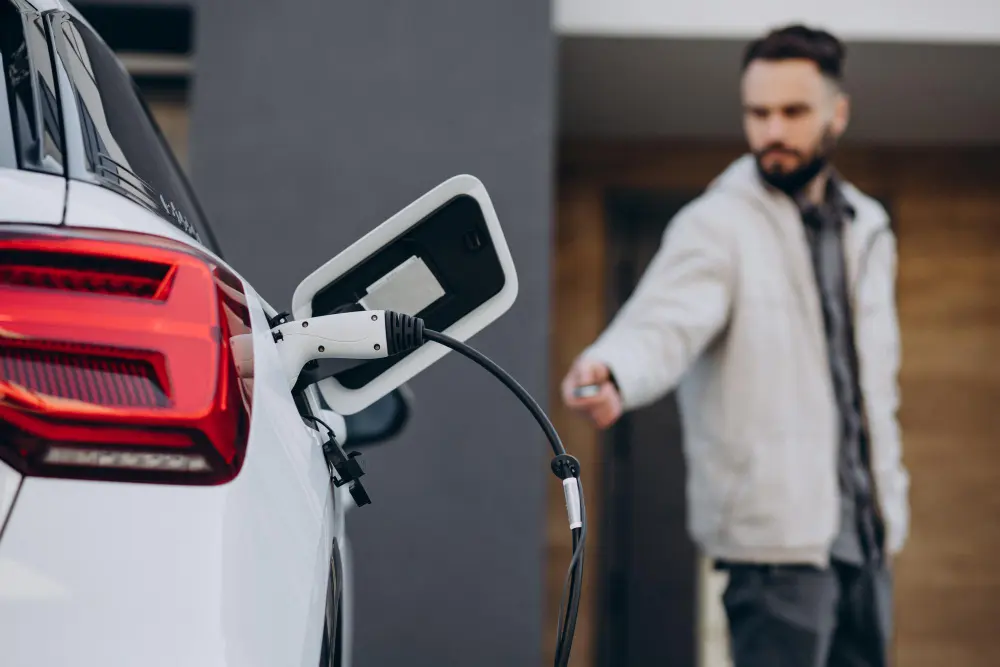
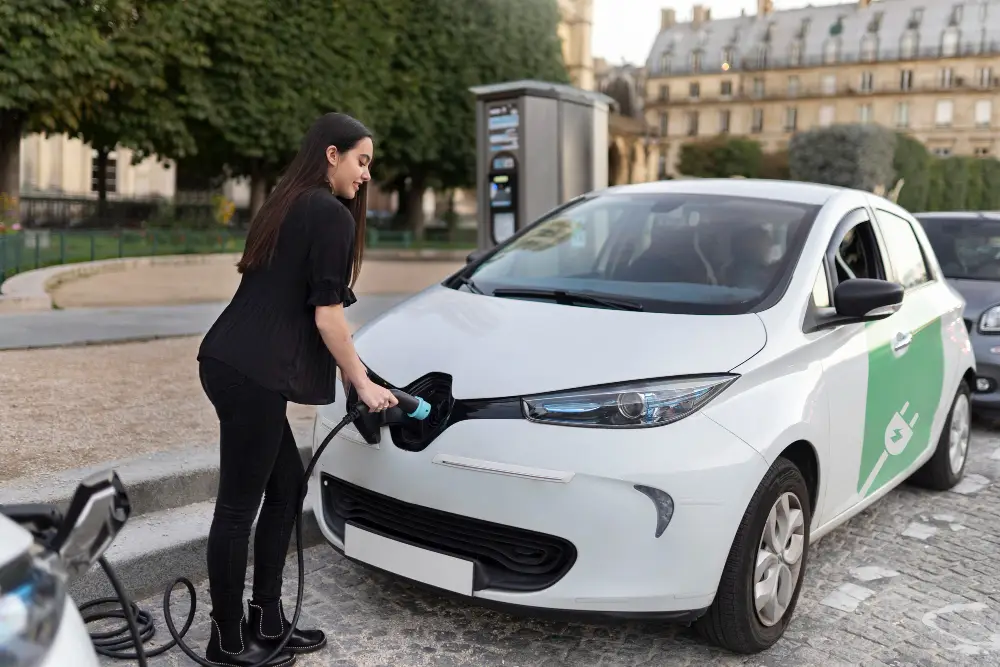
A tethered charger has a fixed cable connected to the charging unit. You simply take the cable from the charger and plug it into your vehicle.
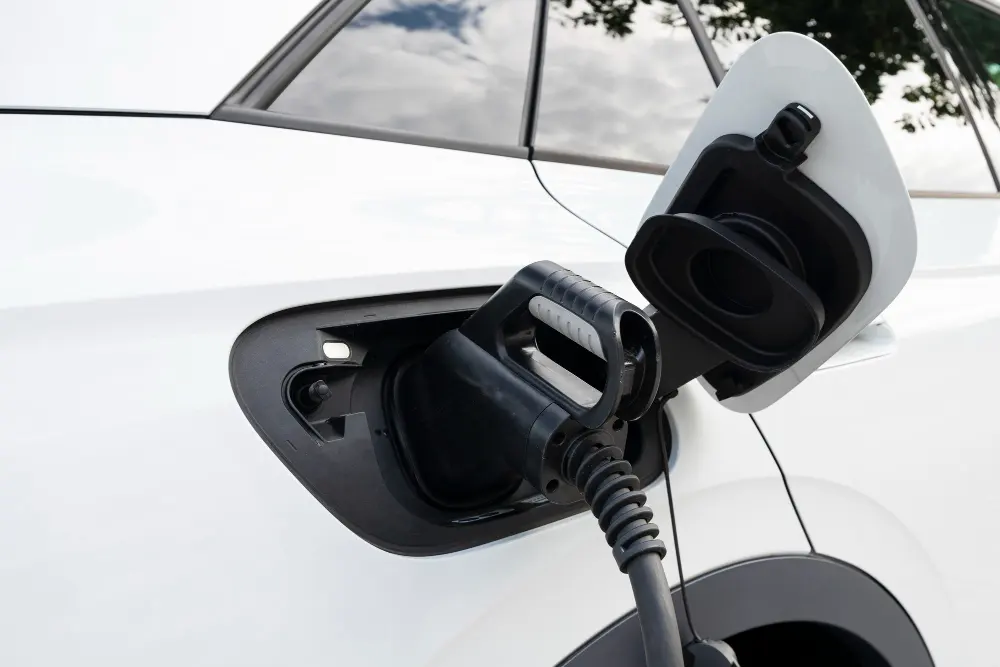
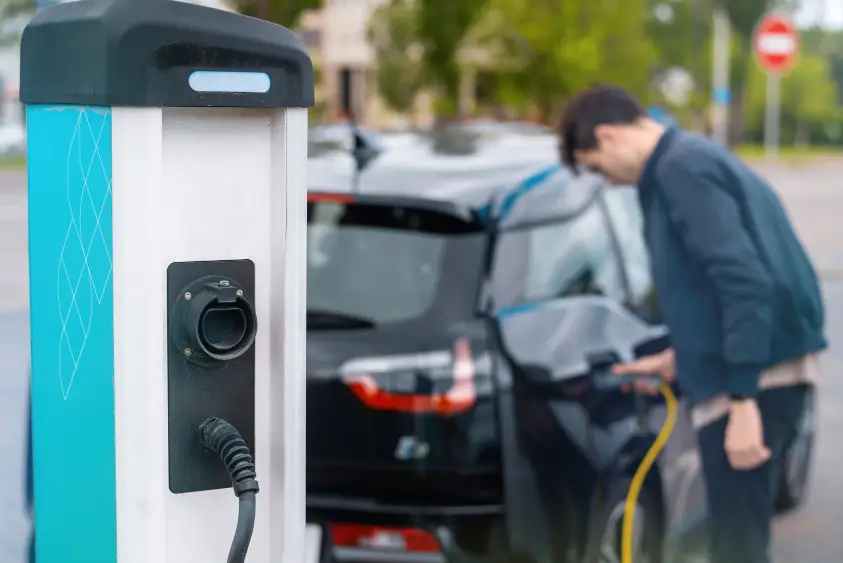
An untethered charger, sometimes called a socketed charger, does not have a permanently attached cable. Instead, you connect your own charging cable whenever you need to charge.
Both options can provide effective home charging, but each has advantages depending on how and where you use your vehicle.
Are Tethered EV Chargers More Convenient for Daily Use?
For many homeowners, convenience is the biggest advantage of a tethered charger.
A fixed cable means:
- The charging cable is always available
- There is no need to store a separate cable
- Charging can be quicker to start
- The setup is simple for regular use
This makes tethered chargers popular among households that use the same electric vehicle every day.
However, the permanently attached cable may affect the appearance of the installation, particularly if the charger is visible from the front of the property.
Why Do Some Homeowners Prefer Untethered Chargers?
Untethered chargers offer more flexibility because the cable can be removed when it is not being used.
Benefits include:
- A cleaner appearance when not charging
- Easier cable replacement if needed
- More flexibility when changing vehicles
- Reduced exposure of the cable to outdoor conditions
For households with multiple electric vehicles or drivers who may change vehicles in the future, an untethered option can be appealing.
The best choice depends on how you expect to use your charger over the coming years.
Which Option Has Lower Long-Term Costs?
The lifetime cost of a charger depends on more than the initial purchase price.
Factors that can influence long-term value include:
| Factor | Tethered Charger | Untethered Charger |
| Convenience | Cable always available | Cable needs to be stored separately |
| Appearance | Fixed cable visible | Cleaner look when not in use |
| Cable replacement | May require replacing attached cable | Easier to replace separate cable |
| Flexibility | Best for regular single vehicle use | Better for changing requirements |
When considering tethered vs untethered ev chargers swinton homeowners should think about their current vehicle, future plans and personal preferences.
Does Charger Type Affect Installation Cost?
The charger type can influence the overall installation price, although the biggest cost factors usually come from the installation requirements.
The ev charger installation service you choose should take into account:
- Charger location
- Electrical system suitability
- Cable route
- Access requirements
- Your preferred charger type
A professional installer can explain whether a tethered or untethered charger is more suitable for your home.
The right choice is not always the cheapest option. It is the one that provides the best balance between convenience, reliability and future use.
Are Tethered Chargers Better for Families With One Electric Vehicle?
For households with one main electric vehicle, a tethered charger is often a practical option.
Many homeowners prefer the simplicity of being able to arrive home, connect the vehicle and begin charging without finding a separate cable.
This can be especially useful during colder or wetter months when storing and handling loose charging cables becomes less convenient.
However, homeowners should also consider where the charger will be positioned. A visible fixed cable may require careful cable management to keep the installation looking neat.
If you are unsure which charger type suits your home, contact Swinton Plumbing and Electrical for guidance. Our team can help you compare options based on your vehicle, property layout and charging habits.
Are Untethered Chargers More Future-Proof?
One advantage of untethered chargers is flexibility.
If you change vehicles in the future, you can usually continue using the charger while replacing only the charging cable if required.
This can make untethered chargers attractive for homeowners who expect their vehicle needs to change over time.
They can also be useful where different drivers use different electric vehicles, as separate compatible cables can be used when needed.
How Does Outdoor Storage Affect Your Charger Choice?
The location of your charger can influence which option works best.
For example:
- A driveway exposed to weather may benefit from simple cable management
- A garage installation may make storing a separate cable easier
- A front-facing charger position may make appearance more important
Thinking about your daily routine and the physical layout of your property helps avoid choosing a charger that becomes inconvenient later.
What Should You Consider Before Choosing a Charger Type?
Before making a decision, consider:
How often will you charge?
Daily drivers may prefer the simplicity of a tethered option.
Will you change vehicles?
If your vehicle needs may change, an untethered charger may provide more flexibility.
Where will the charger be installed?
The location can affect appearance, cable storage and everyday convenience.
Who will use the charger?
Multiple drivers may benefit from a more flexible setup.
These questions help ensure the charger matches your lifestyle.
Can a Professional Installer Help Choose the Right Charger?
Yes. A knowledgeable installer can help you understand the practical differences between charger options and recommend a suitable solution.
A professional assessment considers:
- Your parking arrangement
- Electrical supply
- Charging habits
- Future requirements
- Installation location
This ensures the charger you choose works well with both your vehicle and your property.
For help choosing between charger options, speak to Swinton Plumbing and Electrical. We can provide practical advice and explain what installation approach works best for your home.
Example Scenario: Choosing Between Charger Types
A homeowner with a single electric vehicle parks on the driveway every evening. They choose a tethered charger because they want a simple routine and do not want to store a separate cable.
Another homeowner regularly changes vehicles between family members. They choose an untethered charger because different cables can be used depending on the vehicle being charged.
Both choices provide reliable charging, but the best option depends on how the charger will be used.
Related articles
Home
Workplace
At a glance
Choosing an EV charger for your home involves more than deciding how quickly your vehicle can charge. The type of charger you choose can affect convenience, appearance, maintenance and long-term ownership costs.
The two main options available for many homeowners are tethered and untethered chargers. Both can provide reliable charging, but they work differently and suit different lifestyles.
Understanding the differences can help you choose a charging solution that fits your daily routine rather than simply focusing on the initial purchase price.
What Is the Difference Between Tethered and Untethered EV Chargers?
The main difference is whether the charging cable is permanently attached to the unit.
A tethered charger has a fixed cable connected to the charging unit. You simply take the cable from the charger and plug it into your vehicle.
An untethered charger, sometimes called a socketed charger, does not have a permanently attached cable. Instead, you connect your own charging cable whenever you need to charge.
Both options can provide effective home charging, but each has advantages depending on how and where you use your vehicle.
Are Tethered EV Chargers More Convenient for Daily Use?
For many homeowners, convenience is the biggest advantage of a tethered charger.
A fixed cable means:
- The charging cable is always available
- There is no need to store a separate cable
- Charging can be quicker to start
- The setup is simple for regular use
This makes tethered chargers popular among households that use the same electric vehicle every day.
However, the permanently attached cable may affect the appearance of the installation, particularly if the charger is visible from the front of the property.
Why Do Some Homeowners Prefer Untethered Chargers?
Untethered chargers offer more flexibility because the cable can be removed when it is not being used.
Benefits include:
- A cleaner appearance when not charging
- Easier cable replacement if needed
- More flexibility when changing vehicles
- Reduced exposure of the cable to outdoor conditions
For households with multiple electric vehicles or drivers who may change vehicles in the future, an untethered option can be appealing.
The best choice depends on how you expect to use your charger over the coming years.
Which Option Has Lower Long-Term Costs?
The lifetime cost of a charger depends on more than the initial purchase price.
Factors that can influence long-term value include:
| Factor | Tethered Charger | Untethered Charger |
| Convenience | Cable always available | Cable needs to be stored separately |
| Appearance | Fixed cable visible | Cleaner look when not in use |
| Cable replacement | May require replacing attached cable | Easier to replace separate cable |
| Flexibility | Best for regular single vehicle use | Better for changing requirements |
When considering tethered vs untethered ev chargers swinton homeowners should think about their current vehicle, future plans and personal preferences.
Does Charger Type Affect Installation Cost?
The charger type can influence the overall installation price, although the biggest cost factors usually come from the installation requirements.
The ev charger installation service you choose should take into account:
- Charger location
- Electrical system suitability
- Cable route
- Access requirements
- Your preferred charger type
A professional installer can explain whether a tethered or untethered charger is more suitable for your home.
The right choice is not always the cheapest option. It is the one that provides the best balance between convenience, reliability and future use.
Are Tethered Chargers Better for Families With One Electric Vehicle?
For households with one main electric vehicle, a tethered charger is often a practical option.
Many homeowners prefer the simplicity of being able to arrive home, connect the vehicle and begin charging without finding a separate cable.
This can be especially useful during colder or wetter months when storing and handling loose charging cables becomes less convenient.
However, homeowners should also consider where the charger will be positioned. A visible fixed cable may require careful cable management to keep the installation looking neat.
If you are unsure which charger type suits your home, contact Swinton Plumbing and Electrical for guidance. Our team can help you compare options based on your vehicle, property layout and charging habits.
Are Untethered Chargers More Future-Proof?
One advantage of untethered chargers is flexibility.
If you change vehicles in the future, you can usually continue using the charger while replacing only the charging cable if required.
This can make untethered chargers attractive for homeowners who expect their vehicle needs to change over time.
They can also be useful where different drivers use different electric vehicles, as separate compatible cables can be used when needed.
How Does Outdoor Storage Affect Your Charger Choice?
The location of your charger can influence which option works best.
For example:
- A driveway exposed to weather may benefit from simple cable management
- A garage installation may make storing a separate cable easier
- A front-facing charger position may make appearance more important
Thinking about your daily routine and the physical layout of your property helps avoid choosing a charger that becomes inconvenient later.
What Should You Consider Before Choosing a Charger Type?
Before making a decision, consider:
How often will you charge?
Daily drivers may prefer the simplicity of a tethered option.
Will you change vehicles?
If your vehicle needs may change, an untethered charger may provide more flexibility.
Where will the charger be installed?
The location can affect appearance, cable storage and everyday convenience.
Who will use the charger?
Multiple drivers may benefit from a more flexible setup.
These questions help ensure the charger matches your lifestyle.
Can a Professional Installer Help Choose the Right Charger?
Yes. A knowledgeable installer can help you understand the practical differences between charger options and recommend a suitable solution.
A professional assessment considers:
- Your parking arrangement
- Electrical supply
- Charging habits
- Future requirements
- Installation location
This ensures the charger you choose works well with both your vehicle and your property.
For help choosing between charger options, speak to Swinton Plumbing and Electrical. We can provide practical advice and explain what installation approach works best for your home.
Example Scenario: Choosing Between Charger Types
A homeowner with a single electric vehicle parks on the driveway every evening. They choose a tethered charger because they want a simple routine and do not want to store a separate cable.
Another homeowner regularly changes vehicles between family members. They choose an untethered charger because different cables can be used depending on the vehicle being charged.
Both choices provide reliable charging, but the best option depends on how the charger will be used.


