
Is Your Swinton Home Ready for an EV Charger? The Checks That Prevent Installation Delays
Preparing your home for an EV charger involves more than selecting the right unit. Learn the key electrical, parking and installation checks that can help Swinton homeowners avoid delays and ensure a safe, efficient home EV charger installation.

Why you can trust our content
We understand that the EV charger industry can be confusing, with plenty of outdated or misleading information. That’s why we rely only on trusted, proven sources to guide our advice and installations:

At a glance
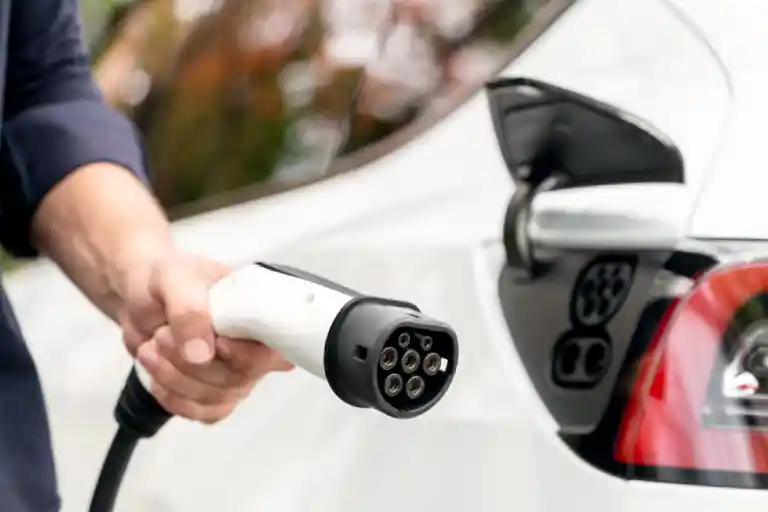
Electric vehicles are becoming a more practical choice for everyday driving, but installing a charger at home requires more than simply choosing a charging unit and fixing it to a wall. Before installation begins, your property needs to be assessed to make sure the electrical system, parking arrangements and charger location are suitable.
A properly planned installation helps avoid unexpected delays, additional work and potential issues once your charger is in use. Whether you live in a modern property, an older terrace or a detached home, understanding what needs to be checked beforehand can make the process much smoother.
For homeowners considering home ev charger installation swinton, an early assessment with a qualified installer can help identify any requirements before work begins.
[CTA 1: Add button/link to EV Charger Installation service page]
What Should Be Checked Before Installing a Home EV Charger?
Before fitting an EV charger, an installer will normally review your electrical supply, consumer unit, cable routes and available parking space. These checks help determine whether your property is ready for installation or if improvements are needed first.
The main areas to assess include:
- The condition and capacity of your consumer unit
- The available electrical supply to your property
- The distance between your electrical board and parking location
- The best position for the charger
- Any access challenges around walls, driveways or garages
A professional survey is designed to make sure your charging setup is safe, practical and suitable for your daily routine.
Is Your Electrical System Ready for an EV Charger?
One of the most important checks is whether your existing electrical system can support an EV charger safely. Most home chargers require a dedicated circuit connected to your consumer unit.
Older properties may have electrical systems that were not designed with modern charging demands in mind. This does not always mean installation is impossible, but it may mean upgrades or additional electrical work are required before the charger can be installed.
An installer will usually check:
| Electrical Check | Why It Matters |
| Consumer unit condition | Ensures your electrical system can safely handle the additional load |
| Available capacity | Confirms your supply can support EV charging alongside normal household use |
| Earthing arrangements | Helps maintain safe operation of the charging equipment |
| Cable route | Determines how the charger can be connected efficiently |
These checks are especially important for older Swinton properties where electrical systems may have been upgraded gradually over time.
Where Will the Charger Be Installed?
The location of your charger can affect both the installation process and your everyday experience. A charger positioned too far from your usual parking space may create unnecessary cable management issues.
Common installation locations include:
- Garage walls
- Driveway-facing external walls
- Side walls close to parking areas
- Dedicated parking spaces
The ideal position depends on your property layout, where your vehicle is parked and how you normally connect the charging cable.
A well-planned location keeps charging simple and avoids trailing cables across walkways or driveways.
Let’s get started. Which type of EV charger do you need?
Home
Workplace
It just takes 60 seconds
And then you can book a free consultation
Does Your Parking Setup Affect EV Charger Installation?
Yes. Your parking arrangement is one of the first practical considerations during a charger survey.
A homeowner with a private driveway may have a straightforward installation, while properties with shared parking, limited access or longer cable routes may require more planning.
Common factors include:
- Whether your vehicle can park close to the charger location
- Whether cables can be safely routed
- Whether walls or surfaces require additional preparation
- Whether access equipment is needed during installation
For flats or properties without dedicated parking, the process can involve additional permissions or alternative solutions.
Why Is Choosing the Right Installer Important?
An EV charger is a long-term investment, so installation quality matters just as much as the charger model itself. A qualified installer will look beyond simply fitting the equipment and consider how your electrical system and property work together.
Working with an experienced ev charger installation specialist can help ensure:
- The charger is installed safely
- Electrical regulations are followed
- The charging setup matches your driving habits
- Potential issues are identified before installation day
A good installation should feel straightforward from the first survey through to final testing.
What Happens During a Home EV Charger Survey?
A home survey allows the installer to understand your property before providing a final recommendation.
During a typical survey, they may review:
- Your consumer unit and electrical supply
- The preferred charger location
- The cable route from the electrical connection point
- The distance between your parking area and the charger
- Any access or installation challenges
This information helps create a clearer plan and reduces the chance of unexpected changes during the installation.
[CTA 2: Add button/link to request an EV charger survey or quote]
If you would like expert guidance before installing your charger, you can contact Swinton Plumbing and Electrical to discuss your property requirements and arrange a suitable assessment.
Are Some Swinton Homes More Complex to Install Than Others?
Every property is different. Some homes are ready for a simple charger installation, while others need additional preparation before work can begin.
A typical straightforward installation might involve:
- A modern consumer unit
- Parking directly beside the property
- A short cable route
- Easy access to the installation area
A more complex project may involve:
- Older electrical systems
- Longer cable runs
- Limited parking access
- Additional protective equipment
- Consumer unit improvements
For example, a typical older semi-detached property with a driveway may have enough space for a charger but require a longer cable route from the consumer unit. After inspection, the installer may recommend a practical route that keeps the installation neat and safe.
The key is identifying these details before installation day rather than discovering them halfway through the work.
What Information Should You Prepare Before Requesting a Quote?
Providing accurate information helps an installer understand your project more quickly. Before requesting a quote, it can help to have:
- Your property type
- Where you normally park your vehicle
- Photos of your consumer unit and parking area
- The distance between your electrical supply and parking space
- Your preferred charger location
This information gives installers a clearer picture and helps create a more accurate recommendation.
(Link to service page: EV Charger Installation)
Can an EV Charger Be Added Without Upgrading Your Consumer Unit?
Not every property requires an electrical upgrade. Many modern homes already have suitable systems in place for EV charging.
However, an upgrade may be recommended if:
- The consumer unit is outdated
- There is limited available capacity
- Safety devices need improving
- The electrical system does not meet current requirements
A professional assessment is the best way to confirm what your property needs rather than making assumptions.
How Much Planning Does a Home Charger Installation Really Need?
A successful EV charger installation is mainly about preparation. Choosing a charger without checking your property first can lead to delays, extra work or a setup that does not suit your lifestyle.
The right approach is to consider:
| Planning Area | Key Question |
| Electrical system | Can the property safely support charging? |
| Charger location | Is the position practical for daily use? |
| Parking | Can the vehicle connect easily every time? |
| Future needs | Could your charging requirements change later? |
Thinking ahead can help you choose a solution that works for years rather than just meeting today’s needs.
Related articles
Home
Workplace
At a glance
Electric vehicles are becoming a more practical choice for everyday driving, but installing a charger at home requires more than simply choosing a charging unit and fixing it to a wall. Before installation begins, your property needs to be assessed to make sure the electrical system, parking arrangements and charger location are suitable.
A properly planned installation helps avoid unexpected delays, additional work and potential issues once your charger is in use. Whether you live in a modern property, an older terrace or a detached home, understanding what needs to be checked beforehand can make the process much smoother.
For homeowners considering home ev charger installation swinton, an early assessment with a qualified installer can help identify any requirements before work begins.
[CTA 1: Add button/link to EV Charger Installation service page]
What Should Be Checked Before Installing a Home EV Charger?
Before fitting an EV charger, an installer will normally review your electrical supply, consumer unit, cable routes and available parking space. These checks help determine whether your property is ready for installation or if improvements are needed first.
The main areas to assess include:
- The condition and capacity of your consumer unit
- The available electrical supply to your property
- The distance between your electrical board and parking location
- The best position for the charger
- Any access challenges around walls, driveways or garages
A professional survey is designed to make sure your charging setup is safe, practical and suitable for your daily routine.
Is Your Electrical System Ready for an EV Charger?
One of the most important checks is whether your existing electrical system can support an EV charger safely. Most home chargers require a dedicated circuit connected to your consumer unit.
Older properties may have electrical systems that were not designed with modern charging demands in mind. This does not always mean installation is impossible, but it may mean upgrades or additional electrical work are required before the charger can be installed.
An installer will usually check:
| Electrical Check | Why It Matters |
| Consumer unit condition | Ensures your electrical system can safely handle the additional load |
| Available capacity | Confirms your supply can support EV charging alongside normal household use |
| Earthing arrangements | Helps maintain safe operation of the charging equipment |
| Cable route | Determines how the charger can be connected efficiently |
These checks are especially important for older Swinton properties where electrical systems may have been upgraded gradually over time.
Where Will the Charger Be Installed?
The location of your charger can affect both the installation process and your everyday experience. A charger positioned too far from your usual parking space may create unnecessary cable management issues.
Common installation locations include:
- Garage walls
- Driveway-facing external walls
- Side walls close to parking areas
- Dedicated parking spaces
The ideal position depends on your property layout, where your vehicle is parked and how you normally connect the charging cable.
A well-planned location keeps charging simple and avoids trailing cables across walkways or driveways.
Let’s get started. Which type of EV charger do you need?
Home
Workplace
It just takes 60 seconds
And then you can book a free consultation
Does Your Parking Setup Affect EV Charger Installation?
Yes. Your parking arrangement is one of the first practical considerations during a charger survey.
A homeowner with a private driveway may have a straightforward installation, while properties with shared parking, limited access or longer cable routes may require more planning.
Common factors include:
- Whether your vehicle can park close to the charger location
- Whether cables can be safely routed
- Whether walls or surfaces require additional preparation
- Whether access equipment is needed during installation
For flats or properties without dedicated parking, the process can involve additional permissions or alternative solutions.
Why Is Choosing the Right Installer Important?
An EV charger is a long-term investment, so installation quality matters just as much as the charger model itself. A qualified installer will look beyond simply fitting the equipment and consider how your electrical system and property work together.
Working with an experienced ev charger installation specialist can help ensure:
- The charger is installed safely
- Electrical regulations are followed
- The charging setup matches your driving habits
- Potential issues are identified before installation day
A good installation should feel straightforward from the first survey through to final testing.
What Happens During a Home EV Charger Survey?
A home survey allows the installer to understand your property before providing a final recommendation.
During a typical survey, they may review:
- Your consumer unit and electrical supply
- The preferred charger location
- The cable route from the electrical connection point
- The distance between your parking area and the charger
- Any access or installation challenges
This information helps create a clearer plan and reduces the chance of unexpected changes during the installation.
[CTA 2: Add button/link to request an EV charger survey or quote]
If you would like expert guidance before installing your charger, you can contact Swinton Plumbing and Electrical to discuss your property requirements and arrange a suitable assessment.
Are Some Swinton Homes More Complex to Install Than Others?
Every property is different. Some homes are ready for a simple charger installation, while others need additional preparation before work can begin.
A typical straightforward installation might involve:
- A modern consumer unit
- Parking directly beside the property
- A short cable route
- Easy access to the installation area
A more complex project may involve:
- Older electrical systems
- Longer cable runs
- Limited parking access
- Additional protective equipment
- Consumer unit improvements
For example, a typical older semi-detached property with a driveway may have enough space for a charger but require a longer cable route from the consumer unit. After inspection, the installer may recommend a practical route that keeps the installation neat and safe.
The key is identifying these details before installation day rather than discovering them halfway through the work.
What Information Should You Prepare Before Requesting a Quote?
Providing accurate information helps an installer understand your project more quickly. Before requesting a quote, it can help to have:
- Your property type
- Where you normally park your vehicle
- Photos of your consumer unit and parking area
- The distance between your electrical supply and parking space
- Your preferred charger location
This information gives installers a clearer picture and helps create a more accurate recommendation.
(Link to service page: EV Charger Installation)
Can an EV Charger Be Added Without Upgrading Your Consumer Unit?
Not every property requires an electrical upgrade. Many modern homes already have suitable systems in place for EV charging.
However, an upgrade may be recommended if:
- The consumer unit is outdated
- There is limited available capacity
- Safety devices need improving
- The electrical system does not meet current requirements
A professional assessment is the best way to confirm what your property needs rather than making assumptions.
How Much Planning Does a Home Charger Installation Really Need?
A successful EV charger installation is mainly about preparation. Choosing a charger without checking your property first can lead to delays, extra work or a setup that does not suit your lifestyle.
The right approach is to consider:
| Planning Area | Key Question |
| Electrical system | Can the property safely support charging? |
| Charger location | Is the position practical for daily use? |
| Parking | Can the vehicle connect easily every time? |
| Future needs | Could your charging requirements change later? |
Thinking ahead can help you choose a solution that works for years rather than just meeting today’s needs.


