
Standard Install or Complex Install? Work Out Which Price Band Your Home Falls Into
EV charger installation complexity can vary depending on your property and electrical setup. A professional assessment can identify the work required and provide a clearer estimate of costs.

Why you can trust our content
We understand that the EV charger industry can be confusing, with plenty of outdated or misleading information. That’s why we rely only on trusted, proven sources to guide our advice and installations:

At a glance
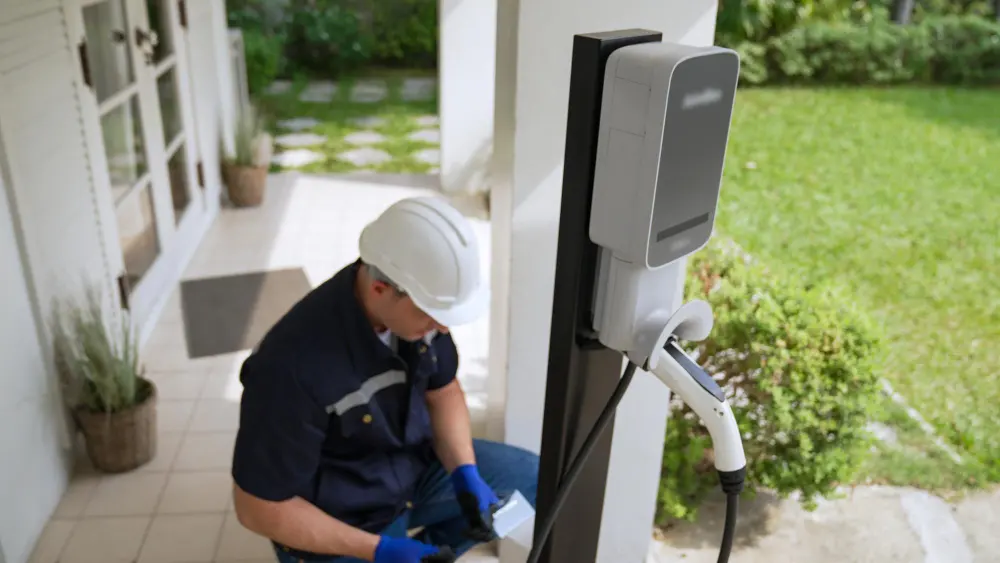
Installing an EV charger at home is becoming a practical upgrade for many electric vehicle owners. However, not every property requires the same level of work. Some installations can be completed quickly with minimal preparation, while others need additional planning because of the property layout or existing electrical setup.
Understanding whether your home falls into a standard or complex installation category can help you prepare for the likely costs and avoid surprises later.
The difference is usually not the charger itself. It is the work required to connect the charger safely and efficiently to your home’s electrical supply.
What Is Considered a Standard EV Charger Installation?
A standard installation is usually one where the property already has suitable electrical infrastructure and the charger can be installed without major additional work.
Typical features of a standard installation include:
- A suitable consumer unit already in place
- A straightforward cable route
- Easy access to the installation location
- A charger position close to the electrical supply
- No major electrical upgrades required
For many homeowners, this type of installation provides a simpler and more predictable process.
However, even a straightforward installation still requires professional checks, correct equipment selection and safety testing before the charger is used.
What Makes an EV Charger Installation More Complex?
A complex installation usually involves additional challenges that require more time, materials or planning.
Common factors include:
- Long distances between the consumer unit and parking space
- Difficult cable routes
- Detached garages or separate driveways
- Older electrical systems
- Limited access around the property
- Additional protection requirements
For example, a homeowner may have a driveway at the front of the property while the electrical supply is located at the rear. This could require a longer cable route and extra protection measures.
These factors do not prevent installation, but they can affect the overall planning and cost.
How Does Your Property Layout Affect EV Charger Installation?
The physical layout of your home plays a major role in determining the complexity of the installation.
A property with an attached garage often allows for a simpler cable route. In comparison, homes with parking away from the main building may require more detailed planning.
Important layout considerations include:
| Property Feature | Potential Impact |
| Garage next to home | Often simpler cable access |
| Driveway away from property | May require longer cable routes |
| Older electrical system | May need additional checks |
| Outdoor installation | Requires suitable weather protection |
| Restricted access areas | Can increase installation time |
A site assessment allows an installer to understand these details before providing a final recommendation.
How Much Does Installation Complexity Change the Price?
The difference between a standard and complex installation can be significant because extra work increases labour time and materials.
The average cost of an ev charger installation swinton homeowners consider will depend on factors such as:
- Charger choice
- Cable length
- Electrical preparation
- Installation location
- Additional safety equipment
A standard installation may require fewer materials and less labour, while a complex project may involve additional preparation.
This is why comparing quotes without understanding what is included can sometimes be misleading.
Can Older Homes Still Have EV Chargers Installed?
Yes, many older homes can still have EV chargers installed. However, they may require additional checks before installation begins.
Older properties may have:
- Outdated electrical equipment
- Limited available capacity
- Previous extensions affecting wiring
- Different consumer unit arrangements
A professional installer will assess the existing system and explain whether any improvements are needed.
The goal is not simply to fit a charger but to ensure the complete system operates safely.
If you are unsure whether your property needs a standard or more complex installation, contact Swinton Plumbing and Electrical for expert advice. A property assessment can help identify what is required before work begins.
Why Is a Home Assessment Important Before Choosing an EV Charger?
A home assessment helps remove uncertainty from the installation process.
During an assessment, an installer may review:
- The location of your consumer unit
- The proposed charger position
- Cable routes
- Existing electrical capacity
- Potential access issues
This information helps create a more accurate plan and prevents avoidable delays.
A professional assessment is especially useful for homeowners who want a clear understanding of their options before making a decision.
What Is Included in a Home EV Charger Installation?
A complete home ev charger installation swinton service typically involves more than attaching the charging unit.
The process may include:
Planning the installation
The installer identifies the most suitable charger position and cable route.
Preparing the electrical connection
The existing system is checked to confirm it can support the charger safely.
Installing the charger
The unit is securely fitted and connected according to manufacturer requirements.
Testing the system
Safety checks are completed before the charger is handed over for use.
Each stage contributes to a reliable and long-lasting installation.
Is a More Expensive Installation Always Better?
A higher price does not automatically mean better quality. The important factor is whether the quotation accurately reflects the work required.
A professional quote should explain:
- What charger is included
- What installation work is required
- Which materials are included
- Whether additional electrical work may be needed
- How the final system will be tested
A transparent quote allows homeowners to compare value rather than simply choosing the lowest number.
How Can You Prepare Your Home Before an EV Charger Installation?
Good preparation can make the installation process smoother.
Homeowners can help by:
- Clearing access to the installation area
- Identifying where the vehicle will usually park
- Checking existing electrical information if available
- Considering future charging needs
- Discussing any concerns with the installer
Early planning helps ensure the chosen solution works well for your lifestyle.
For tailored advice about your property setup, speak to Swinton Plumbing and Electrical. Our team can help you understand the installation requirements and choose a suitable approach.
Example Scenario: A Typical Swinton Home Installation
A homeowner with a semi-detached property wants to install an EV charger on their driveway. The consumer unit is located inside the front hallway, with a short route available to the external wall.
Because the cable distance is limited and the electrical system is suitable, the installation falls into the standard category.
In another property nearby, the parking area is further away from the house and the existing electrical setup requires additional planning. The installation is still possible, but the project requires more preparation and materials.
This example shows why two similar homes can receive different recommendations and prices.
Related articles

Home
Workplace
At a glance
Installing an EV charger at home is becoming a practical upgrade for many electric vehicle owners. However, not every property requires the same level of work. Some installations can be completed quickly with minimal preparation, while others need additional planning because of the property layout or existing electrical setup.
Understanding whether your home falls into a standard or complex installation category can help you prepare for the likely costs and avoid surprises later.
The difference is usually not the charger itself. It is the work required to connect the charger safely and efficiently to your home’s electrical supply.
What Is Considered a Standard EV Charger Installation?
A standard installation is usually one where the property already has suitable electrical infrastructure and the charger can be installed without major additional work.
Typical features of a standard installation include:
- A suitable consumer unit already in place
- A straightforward cable route
- Easy access to the installation location
- A charger position close to the electrical supply
- No major electrical upgrades required
For many homeowners, this type of installation provides a simpler and more predictable process.
However, even a straightforward installation still requires professional checks, correct equipment selection and safety testing before the charger is used.
What Makes an EV Charger Installation More Complex?
A complex installation usually involves additional challenges that require more time, materials or planning.
Common factors include:
- Long distances between the consumer unit and parking space
- Difficult cable routes
- Detached garages or separate driveways
- Older electrical systems
- Limited access around the property
- Additional protection requirements
For example, a homeowner may have a driveway at the front of the property while the electrical supply is located at the rear. This could require a longer cable route and extra protection measures.
These factors do not prevent installation, but they can affect the overall planning and cost.
How Does Your Property Layout Affect EV Charger Installation?
The physical layout of your home plays a major role in determining the complexity of the installation.
A property with an attached garage often allows for a simpler cable route. In comparison, homes with parking away from the main building may require more detailed planning.
Important layout considerations include:
| Property Feature | Potential Impact |
| Garage next to home | Often simpler cable access |
| Driveway away from property | May require longer cable routes |
| Older electrical system | May need additional checks |
| Outdoor installation | Requires suitable weather protection |
| Restricted access areas | Can increase installation time |
A site assessment allows an installer to understand these details before providing a final recommendation.
How Much Does Installation Complexity Change the Price?
The difference between a standard and complex installation can be significant because extra work increases labour time and materials.
The average cost of an ev charger installation swinton homeowners consider will depend on factors such as:
- Charger choice
- Cable length
- Electrical preparation
- Installation location
- Additional safety equipment
A standard installation may require fewer materials and less labour, while a complex project may involve additional preparation.
This is why comparing quotes without understanding what is included can sometimes be misleading.
Can Older Homes Still Have EV Chargers Installed?
Yes, many older homes can still have EV chargers installed. However, they may require additional checks before installation begins.
Older properties may have:
- Outdated electrical equipment
- Limited available capacity
- Previous extensions affecting wiring
- Different consumer unit arrangements
A professional installer will assess the existing system and explain whether any improvements are needed.
The goal is not simply to fit a charger but to ensure the complete system operates safely.
If you are unsure whether your property needs a standard or more complex installation, contact Swinton Plumbing and Electrical for expert advice. A property assessment can help identify what is required before work begins.
Why Is a Home Assessment Important Before Choosing an EV Charger?
A home assessment helps remove uncertainty from the installation process.
During an assessment, an installer may review:
- The location of your consumer unit
- The proposed charger position
- Cable routes
- Existing electrical capacity
- Potential access issues
This information helps create a more accurate plan and prevents avoidable delays.
A professional assessment is especially useful for homeowners who want a clear understanding of their options before making a decision.
What Is Included in a Home EV Charger Installation?
A complete home ev charger installation swinton service typically involves more than attaching the charging unit.
The process may include:
Planning the installation
The installer identifies the most suitable charger position and cable route.
Preparing the electrical connection
The existing system is checked to confirm it can support the charger safely.
Installing the charger
The unit is securely fitted and connected according to manufacturer requirements.
Testing the system
Safety checks are completed before the charger is handed over for use.
Each stage contributes to a reliable and long-lasting installation.
Is a More Expensive Installation Always Better?
A higher price does not automatically mean better quality. The important factor is whether the quotation accurately reflects the work required.
A professional quote should explain:
- What charger is included
- What installation work is required
- Which materials are included
- Whether additional electrical work may be needed
- How the final system will be tested
A transparent quote allows homeowners to compare value rather than simply choosing the lowest number.
How Can You Prepare Your Home Before an EV Charger Installation?
Good preparation can make the installation process smoother.
Homeowners can help by:
- Clearing access to the installation area
- Identifying where the vehicle will usually park
- Checking existing electrical information if available
- Considering future charging needs
- Discussing any concerns with the installer
Early planning helps ensure the chosen solution works well for your lifestyle.
For tailored advice about your property setup, speak to Swinton Plumbing and Electrical. Our team can help you understand the installation requirements and choose a suitable approach.
Example Scenario: A Typical Swinton Home Installation
A homeowner with a semi-detached property wants to install an EV charger on their driveway. The consumer unit is located inside the front hallway, with a short route available to the external wall.
Because the cable distance is limited and the electrical system is suitable, the installation falls into the standard category.
In another property nearby, the parking area is further away from the house and the existing electrical setup requires additional planning. The installation is still possible, but the project requires more preparation and materials.
This example shows why two similar homes can receive different recommendations and prices.


