
Driveway, Garage or Side Wall: Where Should Your Home Charger Go?
The location of your EV charger can make a big difference to everyday convenience. Discover the benefits of installing a charger on a driveway, garage or side wall, and learn how the right position can improve accessibility, cable management and long-term usability for your Swinton home.

Why you can trust our content
We understand that the EV charger industry can be confusing, with plenty of outdated or misleading information. That’s why we rely only on trusted, proven sources to guide our advice and installations:

At a glance
Choosing an EV charger is only one part of creating a convenient home charging setup. The position of the charger itself can have a major impact on how easy it is to use every day.
A charger that is placed in the right location can make plugging in simple, keep cables organised and reduce unnecessary disruption around your home. However, the best position depends on your parking arrangement, property layout and where your electrical supply is located.
For homeowners planning an EV charger installation, understanding the advantages and limitations of different locations can help you make a more informed decision before work begins.
A professional ev installer swinton homeowners trust can assess your property and recommend a position that works for both your vehicle and your home.
What Are the Main Options for Positioning a Home EV Charger?
Most domestic EV chargers are installed in one of three common locations:
- On a driveway-facing external wall
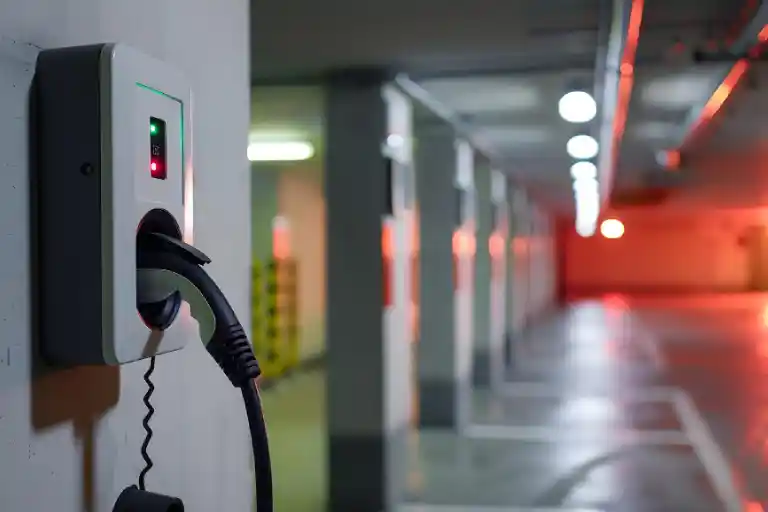
- Inside or near a garage
- On a side wall close to the parking area
Each option has different benefits. The right choice is not always the closest wall to your electrical supply. It is about finding a practical balance between installation requirements and everyday convenience.
Before choosing a location, consider:
- Where your vehicle is parked overnight
- How far the cable needs to run
- Whether the charger will be protected from weather
- How easily you can access the charging point
Is a Driveway EV Charger the Most Practical Choice?
For many homeowners, the driveway is the most convenient charging location because it allows direct access to the vehicle.
A driveway installation often works well when:
- The car is parked outside overnight
- The driveway is close to the property
- There is a suitable external wall available
- The cable route is straightforward
The main advantage is ease of use. You can park, connect your vehicle and leave it charging without moving the car into a garage or managing longer cable runs.
However, driveway chargers should be positioned carefully. The charger should not create an obstruction or require cables to cross areas where people regularly walk.
Should You Install an EV Charger Inside Your Garage?
A garage installation can be an excellent choice for homeowners who already park their vehicle indoors.
Benefits include:
- Protection from weather conditions
- A more sheltered charging environment
- Easier cable storage
- A cleaner appearance from outside the property
Garages can also provide additional flexibility because equipment can often be mounted internally, keeping the outside of the property unchanged.
However, garage installations are not suitable for every home. If your vehicle is normally parked on the driveway, you may find a garage charger less practical for daily use.
Is a Side Wall a Good Place for an EV Charger?
Side walls are often overlooked, but they can provide an effective solution where driveway or garage positioning is not ideal.
A side wall installation may work well when:
- The parking space runs alongside the property
- The cable route is shorter from the consumer unit
- The charger can remain accessible without affecting the front of the home
This option can create a tidy installation while keeping the charger positioned close to where the vehicle is parked.
The suitability of a side wall depends on your property design and access arrangements.
How Does Charger Location Affect Installation Cost?
The location of your charger can influence the amount of work involved. A shorter, simpler cable route is usually easier to install, while longer routes may require additional materials and labour.
| Charger Location | Potential Benefits | Possible Considerations |
| Driveway wall | Easy vehicle access and everyday convenience | May need weather protection and careful cable positioning |
| Garage | Protected charging area and tidy appearance | Less suitable if vehicles park outside |
| Side wall | Flexible option for many layouts | Access and cable routing need assessment |
A survey helps identify the most practical solution before installation begins.
Does the Distance Between Your Consumer Unit and Charger Matter?
Yes. The distance between your electrical supply and charging point is an important factor.
A charger positioned close to your consumer unit may require a simpler cable route. However, the best location should still prioritise how you use your vehicle.
An experienced installer will consider:
- Cable length requirements
- Wall access
- External routing options
- Safety requirements
- The overall appearance of the finished installation
The goal is to create a setup that is safe without compromising convenience.
What Should You Consider Before Choosing a Charger Location?
Before deciding where your charger should go, think about your daily routine rather than only the installation itself.
Ask yourself:
- Where do I normally park my car?
- Will the cable comfortably reach the charging socket?
- Could my parking habits change in the future?
- Will the charger remain accessible in all weather?
- Is the location safe for children and visitors?
A charger that looks ideal on paper may not be the best choice if it creates inconvenience every evening.
Can an Installer Recommend the Best Charger Position?
Yes. A property survey allows an installer to assess your home and provide advice based on practical considerations.
A reliable local ev installation company can review your property layout, electrical setup and parking arrangement before recommending the most suitable location.
This helps avoid choosing a position that later requires additional changes or creates difficulties during everyday use.
Example Scenario: Choosing the Right Charger Location
A typical Swinton semi-detached home may have a driveway at the front with the consumer unit positioned inside the hallway or garage area.
The homeowner may initially consider placing the charger on the front wall, but a survey could identify that a side wall provides a shorter cable route and keeps the installation neater.
By considering both electrical access and daily parking habits, the homeowner can achieve a charging setup that is convenient without unnecessary work.
Is the Cheapest Charger Location Always the Best Option?
The shortest installation route is not always the best long-term choice.
While reducing cable distance may lower installation complexity, the charger location should still work with your lifestyle.
For example:
- A slightly longer cable route may create better vehicle access
- A garage installation may provide better protection
- A side wall may keep the property appearance cleaner
The right decision balances practicality, safety and future use.
How Can You Prepare for an EV Charger Installation Survey?
Before your appointment, it helps to prepare a few details:
- The make and model of your electric vehicle
- Where you usually park
- Photos of your parking area and electrical board
- Any preferences about charger positioning
This information helps your installer understand your requirements and provide more accurate advice.
Related articles
Home
Workplace
At a glance
Choosing an EV charger is only one part of creating a convenient home charging setup. The position of the charger itself can have a major impact on how easy it is to use every day.
A charger that is placed in the right location can make plugging in simple, keep cables organised and reduce unnecessary disruption around your home. However, the best position depends on your parking arrangement, property layout and where your electrical supply is located.
For homeowners planning an EV charger installation, understanding the advantages and limitations of different locations can help you make a more informed decision before work begins.
A professional ev installer swinton homeowners trust can assess your property and recommend a position that works for both your vehicle and your home.
What Are the Main Options for Positioning a Home EV Charger?
Most domestic EV chargers are installed in one of three common locations:
- On a driveway-facing external wall
- Inside or near a garage
- On a side wall close to the parking area
Each option has different benefits. The right choice is not always the closest wall to your electrical supply. It is about finding a practical balance between installation requirements and everyday convenience.
Before choosing a location, consider:
- Where your vehicle is parked overnight
- How far the cable needs to run
- Whether the charger will be protected from weather
- How easily you can access the charging point
Is a Driveway EV Charger the Most Practical Choice?
For many homeowners, the driveway is the most convenient charging location because it allows direct access to the vehicle.
A driveway installation often works well when:
- The car is parked outside overnight
- The driveway is close to the property
- There is a suitable external wall available
- The cable route is straightforward
The main advantage is ease of use. You can park, connect your vehicle and leave it charging without moving the car into a garage or managing longer cable runs.
However, driveway chargers should be positioned carefully. The charger should not create an obstruction or require cables to cross areas where people regularly walk.
Should You Install an EV Charger Inside Your Garage?
A garage installation can be an excellent choice for homeowners who already park their vehicle indoors.
Benefits include:
- Protection from weather conditions
- A more sheltered charging environment
- Easier cable storage
- A cleaner appearance from outside the property
Garages can also provide additional flexibility because equipment can often be mounted internally, keeping the outside of the property unchanged.
However, garage installations are not suitable for every home. If your vehicle is normally parked on the driveway, you may find a garage charger less practical for daily use.
Is a Side Wall a Good Place for an EV Charger?
Side walls are often overlooked, but they can provide an effective solution where driveway or garage positioning is not ideal.
A side wall installation may work well when:
- The parking space runs alongside the property
- The cable route is shorter from the consumer unit
- The charger can remain accessible without affecting the front of the home
This option can create a tidy installation while keeping the charger positioned close to where the vehicle is parked.
The suitability of a side wall depends on your property design and access arrangements.
How Does Charger Location Affect Installation Cost?
The location of your charger can influence the amount of work involved. A shorter, simpler cable route is usually easier to install, while longer routes may require additional materials and labour.
| Charger Location | Potential Benefits | Possible Considerations |
| Driveway wall | Easy vehicle access and everyday convenience | May need weather protection and careful cable positioning |
| Garage | Protected charging area and tidy appearance | Less suitable if vehicles park outside |
| Side wall | Flexible option for many layouts | Access and cable routing need assessment |
A survey helps identify the most practical solution before installation begins.
Does the Distance Between Your Consumer Unit and Charger Matter?
Yes. The distance between your electrical supply and charging point is an important factor.
A charger positioned close to your consumer unit may require a simpler cable route. However, the best location should still prioritise how you use your vehicle.
An experienced installer will consider:
- Cable length requirements
- Wall access
- External routing options
- Safety requirements
- The overall appearance of the finished installation
The goal is to create a setup that is safe without compromising convenience.
What Should You Consider Before Choosing a Charger Location?
Before deciding where your charger should go, think about your daily routine rather than only the installation itself.
Ask yourself:
- Where do I normally park my car?
- Will the cable comfortably reach the charging socket?
- Could my parking habits change in the future?
- Will the charger remain accessible in all weather?
- Is the location safe for children and visitors?
A charger that looks ideal on paper may not be the best choice if it creates inconvenience every evening.
Can an Installer Recommend the Best Charger Position?
Yes. A property survey allows an installer to assess your home and provide advice based on practical considerations.
A reliable local ev installation company can review your property layout, electrical setup and parking arrangement before recommending the most suitable location.
This helps avoid choosing a position that later requires additional changes or creates difficulties during everyday use.
Example Scenario: Choosing the Right Charger Location
A typical Swinton semi-detached home may have a driveway at the front with the consumer unit positioned inside the hallway or garage area.
The homeowner may initially consider placing the charger on the front wall, but a survey could identify that a side wall provides a shorter cable route and keeps the installation neater.
By considering both electrical access and daily parking habits, the homeowner can achieve a charging setup that is convenient without unnecessary work.
Is the Cheapest Charger Location Always the Best Option?
The shortest installation route is not always the best long-term choice.
While reducing cable distance may lower installation complexity, the charger location should still work with your lifestyle.
For example:
- A slightly longer cable route may create better vehicle access
- A garage installation may provide better protection
- A side wall may keep the property appearance cleaner
The right decision balances practicality, safety and future use.
How Can You Prepare for an EV Charger Installation Survey?
Before your appointment, it helps to prepare a few details:
- The make and model of your electric vehicle
- Where you usually park
- Photos of your parking area and electrical board
- Any preferences about charger positioning
This information helps your installer understand your requirements and provide more accurate advice.


