
Tethered and Untethered Chargers: Does the Cable Setup Change Safety or Installation Requirements?
Compare tethered and untethered EV chargers, including cable setup, safety considerations, installation requirements, convenience and everyday use.

Why you can trust our content
We understand that the EV charger industry can be confusing, with plenty of outdated or misleading information. That’s why we rely only on trusted, proven sources to guide our advice and installations:

At a glance
Introduction
Choosing an electric vehicle charger involves more than deciding how quickly you want to charge. One of the first practical decisions is whether you want a tethered charger with a permanently attached cable or an untethered model that uses a separate charging lead.
The difference may seem straightforward, but cable arrangement can affect everyday convenience, cable management, charger positioning and how the installation works around your property. Understanding these differences can make it easier to choose a setup that suits your vehicle, parking arrangements and charging habits.
If you are comparing tethered vs untethered ev chargers swinton, it is useful to look beyond the appearance of the charger and consider how each option works as part of the wider electrical installation.
What Is the Difference Between a Tethered and Untethered EV Charger?
The main difference is whether the charging cable remains permanently attached to the charger.
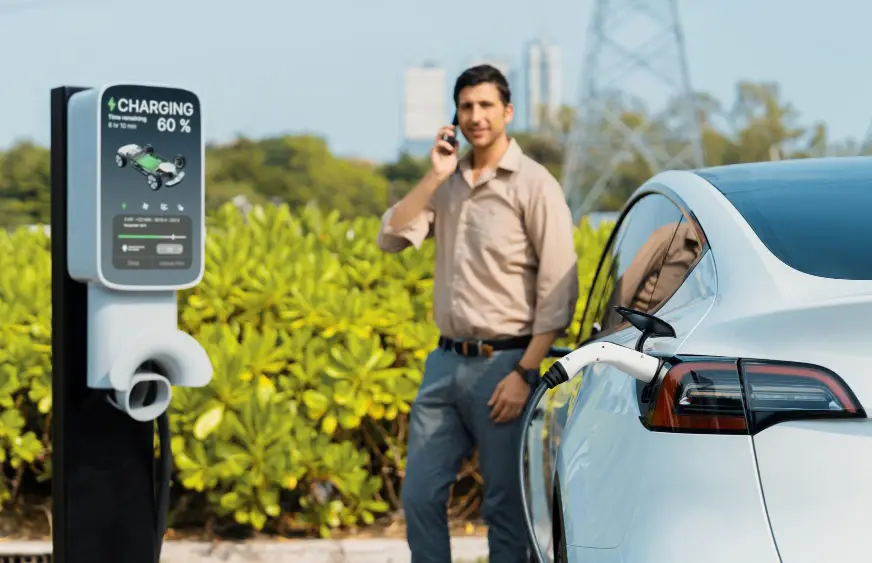
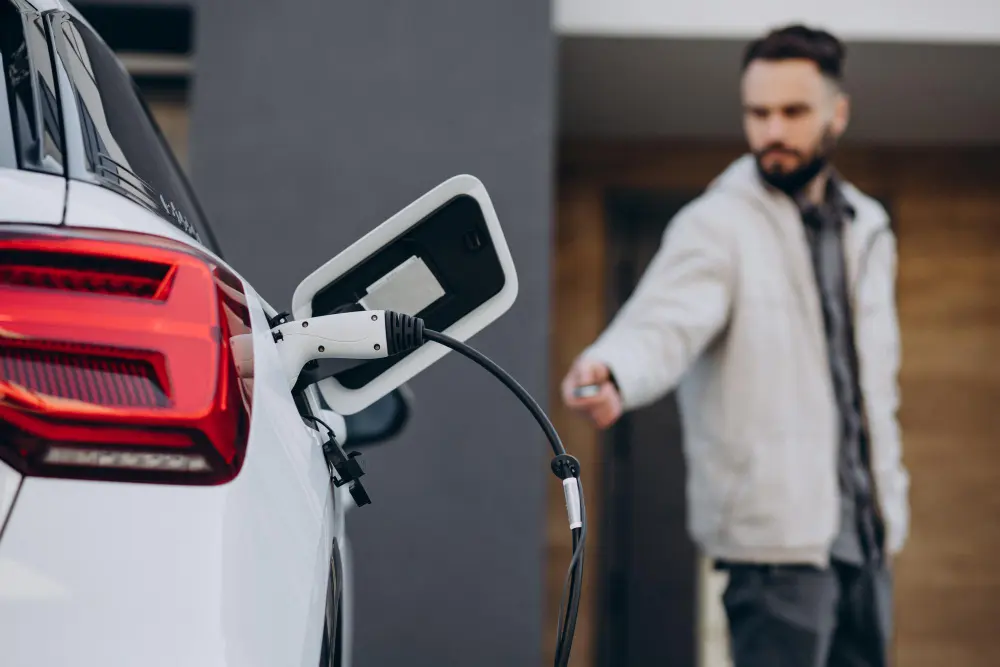
A tethered charger has a fixed cable connected to the unit. When you want to charge, you simply take the cable from its storage position and plug it into the vehicle.
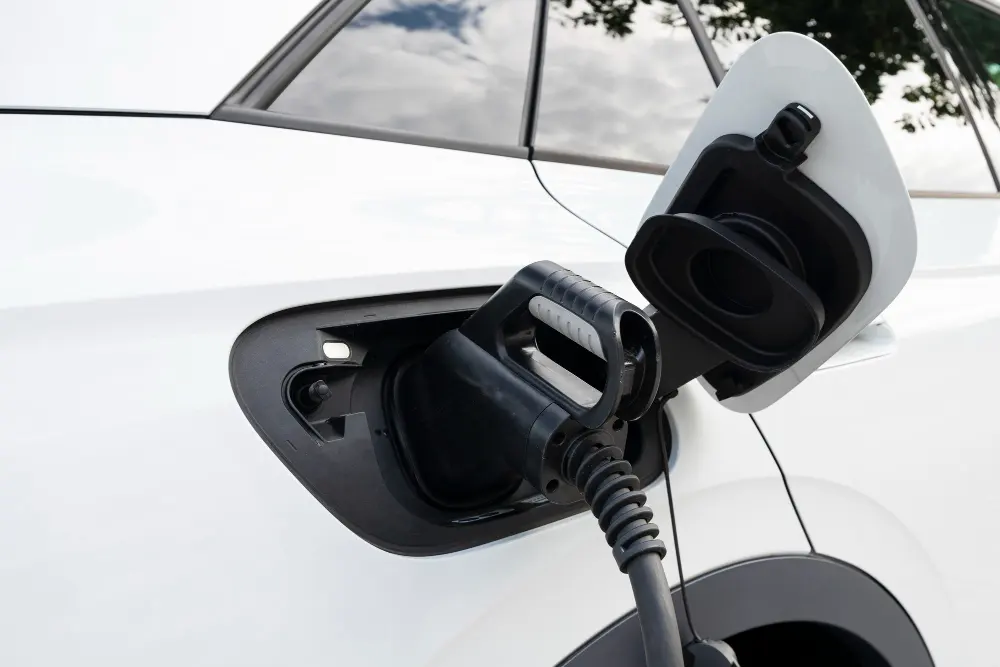
An untethered charger has a socket rather than a permanently attached charging cable. You connect your own compatible charging lead between the charger and the vehicle when required.
Neither arrangement is automatically better or safer. Both can provide safe and reliable charging when the equipment is suitable and the installation has been correctly designed, protected, installed and tested.
Quick comparison
| Feature | Tethered charger | Untethered charger |
|---|---|---|
| Cable permanently attached | Yes | No |
| Separate charging lead required | Usually no | Yes |
| Plug in and charge | Very convenient | Requires cable connection |
| Cable storage | Needs consideration | Cable can be stored separately |
| Appearance | Cable is visible when stored | Cleaner when not in use |
| Multiple vehicle compatibility | Depends on cable/connector | Can be more flexible |
| Cable management | Important | Important when cable is in use |
| Installation requirements | Depends on charger and property | Depends on charger and property |
How Do Tethered and Untethered Chargers Compare for Everyday Use?
The best choice often comes down to how you use your vehicle.
With a tethered charger, the charging cable is always available. This can make the charging process quick and straightforward, particularly if you charge at home every night.
However, the cable needs somewhere to go when the charger is not being used. Depending on the design and installation position, this could mean using a cable hook, holster or another storage arrangement.
An untethered charger can look neater when it is not being used because there is no permanent cable hanging from the unit. The trade-off is that you need to keep a compatible charging lead available.
For some households, that flexibility is useful. For others, the convenience of a permanently attached cable is more important.
Does a Tethered Charger Change the Safety Requirements?
A tethered cable does not remove the need for proper electrical protection.
The fixed cable is simply part of the charging equipment. The installation still needs to account for the electrical supply, protective devices, earthing arrangements, cable sizing, installation method and charger characteristics.
The installer also needs to consider where the cable will run when the vehicle is connected. A cable that crosses a pedestrian route or creates a trip hazard can be a practical problem even if the electrical installation itself is sound.
This is why charger positioning should be considered alongside cable management rather than treated as a separate issue.
If you are planning an installation, an electrician should assess the proposed charger position and cable route before deciding where the unit should be mounted.
What About Safety With an Untethered EV Charger?
An untethered charger also needs suitable electrical protection and correct installation.
The absence of a permanently attached cable does not make the electrical requirements less important. The charger still needs to be connected to the property’s electrical system in accordance with the applicable requirements and manufacturer instructions.
There is also a practical consideration around the removable charging lead. It should be suitable for the vehicle and charger, kept in good condition and stored appropriately when not in use.
The socket, connector and cable should not be treated as completely maintenance-free simply because the cable can be removed.
Does Cable Setup Affect Electrical Protection?
The cable arrangement is only one part of the overall installation.
An EV charger can place a significant electrical load on a domestic installation, particularly when operating at higher charging power for several hours. The installation therefore needs suitable protective measures.
Depending on the charger and installation, this may include appropriate RCD protection and measures for dealing with DC residual current. The exact arrangement should be determined from the characteristics of the charging equipment and the requirements applying to the installation.
The consumer unit and existing electrical installation also need to be considered. If the property has an older or heavily loaded electrical system, additional work may be necessary before the charger can be connected.
This is one reason an assessment is more useful than choosing a charger based solely on its advertised charging speed.
Is One Type Better for Cable Management?
Cable management is important with both options, but the practical challenge is slightly different.
With a tethered unit, the permanent cable needs to be stored safely and neatly. A poorly positioned cable can become untidy, vulnerable to damage or inconvenient to use.
With an untethered charger, you have more flexibility because the charging lead can be disconnected and stored elsewhere. However, the cable still needs to reach between the charger and vehicle without being stretched, crushed or placed where people could trip over it.
A good installation should take the parking position and typical cable path into account.
Could an Untethered Charger Be More Flexible for Multiple Vehicles?
Potentially, yes.
If a household has more than one electric vehicle with different charging requirements, an untethered system may provide some practical flexibility because the charging lead can be changed as required, provided the equipment and cables are compatible.
That does not mean an untethered charger is always the right choice for a multi-vehicle household. Connector types, charging capabilities, cable lengths and how the vehicles are parked all need to be considered.
The important point is to choose the charger around the actual vehicles and charging routine rather than assuming one format is universally suitable.
Does Charger Position Matter More With a Tethered Cable?
Charger position matters with either type, but a fixed cable makes the decision particularly noticeable.
A tethered charger should ideally be positioned so the cable can reach the vehicle comfortably without creating excessive slack or requiring awkward routing.
For example, if the charger is mounted too far from the usual parking position, the cable may be stretched across a larger area than necessary.
An installer should consider:
- Where the vehicle is normally parked
- The likely cable path
- Pedestrian access
- Doors, gates and driveways
- The location of the consumer unit
- The route for the electrical supply cable
- Whether the charger is exposed to weather
- How the charging cable will be stored
The aim is not simply to find an empty section of wall. The charger should work safely and conveniently as part of the property.
What Should You Consider When Choosing Between the Two?
When comparing tethered vs untethered ev chargers swinton, consider the following questions:
How often do you charge? If you plug in every evening, having a permanently attached cable may make the routine simpler.
Do you prefer a cleaner appearance? An untethered charger can have a tidier appearance when no vehicle is charging.
Do you have somewhere to store a cable? An untethered system requires suitable storage for the charging lead.
Do you have more than one EV? Consider whether a removable cable would provide useful flexibility.
Where will the car normally be parked? Cable length and charger position can have a significant impact on convenience.
Will the cable cross a walkway? Think about trip hazards and access before installation.
What does your chosen charger support? Always check connector compatibility, charging capability and manufacturer requirements.
What Should You Ask When Comparing Installation Quotes?
When searching for electric car charger installation near me, it can be tempting to compare installers purely on the price of the charger and installation.
A more useful comparison is to check what is actually included.
Ask whether the quote covers:
- Charger supply and installation
- Appropriate electrical protection
- Assessment of the existing electrical installation
- Cable route and approximate cable length
- Any consumer unit or protective-device work
- Earthing considerations
- Testing and commissioning
- Relevant certification
- Charger configuration
- Cable management or storage provisions
- Any additional work that could affect the final price
A quote that clearly explains the installation scope can make it easier to compare like for like.
If you are comparing installation options, ask the electrician to explain any electrical upgrades or protection measures included in the proposed work rather than focusing only on the charger itself.
Can the Choice Affect Installation Cost?
The charger type itself is only one factor in the total cost.
Installation costs can be affected by the distance between the consumer unit and charger, cable routing, access, protective equipment, the condition of the existing electrical installation and any additional work required.
A tethered charger may also have different equipment and cable arrangements from an otherwise similar untethered model. However, it would be misleading to assume that one type will always cost more to install.
The property and electrical installation often have a greater influence on the final project requirements than whether the charger has a fixed cable.
What Is a Typical Installation Scenario in Swinton?
Imagine a homeowner with a driveway directly outside a semi-detached property. The vehicle is normally parked in the same position each evening, while the consumer unit is located inside the property relatively close to the front wall.
A tethered charger could provide a straightforward charging routine because the cable remains with the charger. The installer would still need to consider where the cable is stored and how it reaches the vehicle.
An untethered charger could provide a cleaner wall-mounted appearance when not in use, but the homeowner would need to store and connect the charging lead whenever charging takes place.
Neither decision can be made properly without considering the property layout and electrical requirements.
How Can You Tell If an EV Installation Has Been Properly Considered?
A quality installation should involve more than mounting the charger and connecting a cable.
The electrician should consider the existing electrical system, protective devices, earthing, cable routes, charger specifications and testing requirements.
They should also be willing to explain why the charger has been positioned in a particular location and what has been done to keep the installation practical.
If you are looking for electric car charger installation near me, useful questions include:
- Has the existing electrical installation been assessed?
- What protection will be provided?
- How will the cable be routed?
- Where will the charger be positioned?
- What happens if additional electrical work is needed?
- What testing and certification will be provided?
- Is the proposed charger compatible with the vehicle?
Clear answers to these questions can tell you considerably more about the installation approach than a low headline price.
Related articles
Home
Workplace
At a glance
Introduction
Choosing an electric vehicle charger involves more than deciding how quickly you want to charge. One of the first practical decisions is whether you want a tethered charger with a permanently attached cable or an untethered model that uses a separate charging lead.
The difference may seem straightforward, but cable arrangement can affect everyday convenience, cable management, charger positioning and how the installation works around your property. Understanding these differences can make it easier to choose a setup that suits your vehicle, parking arrangements and charging habits.
If you are comparing tethered vs untethered ev chargers swinton, it is useful to look beyond the appearance of the charger and consider how each option works as part of the wider electrical installation.
What Is the Difference Between a Tethered and Untethered EV Charger?
The main difference is whether the charging cable remains permanently attached to the charger.
A tethered charger has a fixed cable connected to the unit. When you want to charge, you simply take the cable from its storage position and plug it into the vehicle.
An untethered charger has a socket rather than a permanently attached charging cable. You connect your own compatible charging lead between the charger and the vehicle when required.
Neither arrangement is automatically better or safer. Both can provide safe and reliable charging when the equipment is suitable and the installation has been correctly designed, protected, installed and tested.
Quick comparison
| Feature | Tethered charger | Untethered charger |
|---|---|---|
| Cable permanently attached | Yes | No |
| Separate charging lead required | Usually no | Yes |
| Plug in and charge | Very convenient | Requires cable connection |
| Cable storage | Needs consideration | Cable can be stored separately |
| Appearance | Cable is visible when stored | Cleaner when not in use |
| Multiple vehicle compatibility | Depends on cable/connector | Can be more flexible |
| Cable management | Important | Important when cable is in use |
| Installation requirements | Depends on charger and property | Depends on charger and property |
How Do Tethered and Untethered Chargers Compare for Everyday Use?
The best choice often comes down to how you use your vehicle.
With a tethered charger, the charging cable is always available. This can make the charging process quick and straightforward, particularly if you charge at home every night.
However, the cable needs somewhere to go when the charger is not being used. Depending on the design and installation position, this could mean using a cable hook, holster or another storage arrangement.
An untethered charger can look neater when it is not being used because there is no permanent cable hanging from the unit. The trade-off is that you need to keep a compatible charging lead available.
For some households, that flexibility is useful. For others, the convenience of a permanently attached cable is more important.
Does a Tethered Charger Change the Safety Requirements?
A tethered cable does not remove the need for proper electrical protection.
The fixed cable is simply part of the charging equipment. The installation still needs to account for the electrical supply, protective devices, earthing arrangements, cable sizing, installation method and charger characteristics.
The installer also needs to consider where the cable will run when the vehicle is connected. A cable that crosses a pedestrian route or creates a trip hazard can be a practical problem even if the electrical installation itself is sound.
This is why charger positioning should be considered alongside cable management rather than treated as a separate issue.
If you are planning an installation, an electrician should assess the proposed charger position and cable route before deciding where the unit should be mounted.
What About Safety With an Untethered EV Charger?
An untethered charger also needs suitable electrical protection and correct installation.
The absence of a permanently attached cable does not make the electrical requirements less important. The charger still needs to be connected to the property’s electrical system in accordance with the applicable requirements and manufacturer instructions.
There is also a practical consideration around the removable charging lead. It should be suitable for the vehicle and charger, kept in good condition and stored appropriately when not in use.
The socket, connector and cable should not be treated as completely maintenance-free simply because the cable can be removed.
Does Cable Setup Affect Electrical Protection?
The cable arrangement is only one part of the overall installation.
An EV charger can place a significant electrical load on a domestic installation, particularly when operating at higher charging power for several hours. The installation therefore needs suitable protective measures.
Depending on the charger and installation, this may include appropriate RCD protection and measures for dealing with DC residual current. The exact arrangement should be determined from the characteristics of the charging equipment and the requirements applying to the installation.
The consumer unit and existing electrical installation also need to be considered. If the property has an older or heavily loaded electrical system, additional work may be necessary before the charger can be connected.
This is one reason an assessment is more useful than choosing a charger based solely on its advertised charging speed.
Is One Type Better for Cable Management?
Cable management is important with both options, but the practical challenge is slightly different.
With a tethered unit, the permanent cable needs to be stored safely and neatly. A poorly positioned cable can become untidy, vulnerable to damage or inconvenient to use.
With an untethered charger, you have more flexibility because the charging lead can be disconnected and stored elsewhere. However, the cable still needs to reach between the charger and vehicle without being stretched, crushed or placed where people could trip over it.
A good installation should take the parking position and typical cable path into account.
Could an Untethered Charger Be More Flexible for Multiple Vehicles?
Potentially, yes.
If a household has more than one electric vehicle with different charging requirements, an untethered system may provide some practical flexibility because the charging lead can be changed as required, provided the equipment and cables are compatible.
That does not mean an untethered charger is always the right choice for a multi-vehicle household. Connector types, charging capabilities, cable lengths and how the vehicles are parked all need to be considered.
The important point is to choose the charger around the actual vehicles and charging routine rather than assuming one format is universally suitable.
Does Charger Position Matter More With a Tethered Cable?
Charger position matters with either type, but a fixed cable makes the decision particularly noticeable.
A tethered charger should ideally be positioned so the cable can reach the vehicle comfortably without creating excessive slack or requiring awkward routing.
For example, if the charger is mounted too far from the usual parking position, the cable may be stretched across a larger area than necessary.
An installer should consider:
- Where the vehicle is normally parked
- The likely cable path
- Pedestrian access
- Doors, gates and driveways
- The location of the consumer unit
- The route for the electrical supply cable
- Whether the charger is exposed to weather
- How the charging cable will be stored
The aim is not simply to find an empty section of wall. The charger should work safely and conveniently as part of the property.
What Should You Consider When Choosing Between the Two?
When comparing tethered vs untethered ev chargers swinton, consider the following questions:
How often do you charge? If you plug in every evening, having a permanently attached cable may make the routine simpler.
Do you prefer a cleaner appearance? An untethered charger can have a tidier appearance when no vehicle is charging.
Do you have somewhere to store a cable? An untethered system requires suitable storage for the charging lead.
Do you have more than one EV? Consider whether a removable cable would provide useful flexibility.
Where will the car normally be parked? Cable length and charger position can have a significant impact on convenience.
Will the cable cross a walkway? Think about trip hazards and access before installation.
What does your chosen charger support? Always check connector compatibility, charging capability and manufacturer requirements.
What Should You Ask When Comparing Installation Quotes?
When searching for electric car charger installation near me, it can be tempting to compare installers purely on the price of the charger and installation.
A more useful comparison is to check what is actually included.
Ask whether the quote covers:
- Charger supply and installation
- Appropriate electrical protection
- Assessment of the existing electrical installation
- Cable route and approximate cable length
- Any consumer unit or protective-device work
- Earthing considerations
- Testing and commissioning
- Relevant certification
- Charger configuration
- Cable management or storage provisions
- Any additional work that could affect the final price
A quote that clearly explains the installation scope can make it easier to compare like for like.
If you are comparing installation options, ask the electrician to explain any electrical upgrades or protection measures included in the proposed work rather than focusing only on the charger itself.
Can the Choice Affect Installation Cost?
The charger type itself is only one factor in the total cost.
Installation costs can be affected by the distance between the consumer unit and charger, cable routing, access, protective equipment, the condition of the existing electrical installation and any additional work required.
A tethered charger may also have different equipment and cable arrangements from an otherwise similar untethered model. However, it would be misleading to assume that one type will always cost more to install.
The property and electrical installation often have a greater influence on the final project requirements than whether the charger has a fixed cable.
What Is a Typical Installation Scenario in Swinton?
Imagine a homeowner with a driveway directly outside a semi-detached property. The vehicle is normally parked in the same position each evening, while the consumer unit is located inside the property relatively close to the front wall.
A tethered charger could provide a straightforward charging routine because the cable remains with the charger. The installer would still need to consider where the cable is stored and how it reaches the vehicle.
An untethered charger could provide a cleaner wall-mounted appearance when not in use, but the homeowner would need to store and connect the charging lead whenever charging takes place.
Neither decision can be made properly without considering the property layout and electrical requirements.
How Can You Tell If an EV Installation Has Been Properly Considered?
A quality installation should involve more than mounting the charger and connecting a cable.
The electrician should consider the existing electrical system, protective devices, earthing, cable routes, charger specifications and testing requirements.
They should also be willing to explain why the charger has been positioned in a particular location and what has been done to keep the installation practical.
If you are looking for electric car charger installation near me, useful questions include:
- Has the existing electrical installation been assessed?
- What protection will be provided?
- How will the cable be routed?
- Where will the charger be positioned?
- What happens if additional electrical work is needed?
- What testing and certification will be provided?
- Is the proposed charger compatible with the vehicle?
Clear answers to these questions can tell you considerably more about the installation approach than a low headline price.


