
Domestic or Commercial Charging: Why the Survey Process Should Change
Domestic and commercial EV charger installations require different levels of planning. Learn why the survey process should be tailored to your property or business, helping ensure the right charging solution, safe installation and future-ready electrical capacity.

Why you can trust our content
We understand that the EV charger industry can be confusing, with plenty of outdated or misleading information. That’s why we rely only on trusted, proven sources to guide our advice and installations:

At a glance
Installing an EV charger is not the same process for every property. A home charging point and a workplace charging system may both provide power for electric vehicles, but the planning, assessment and installation requirements can be very different.
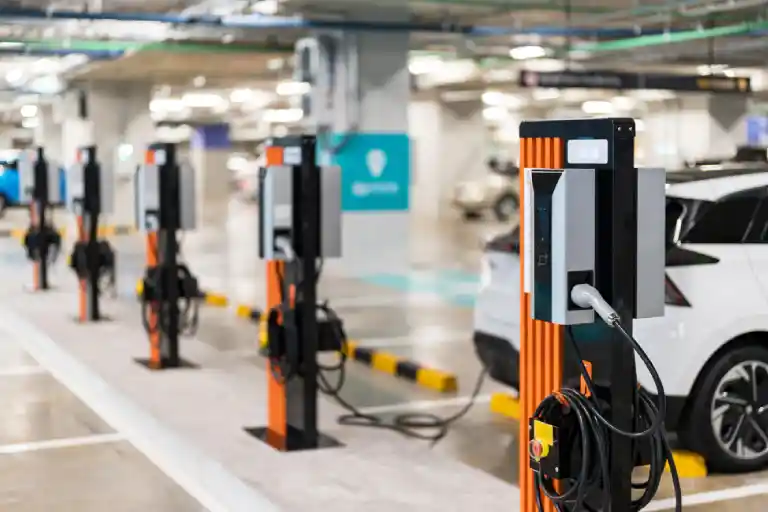
A domestic charger is usually designed around one household and one or two vehicles. A commercial charging setup may need to support multiple users, longer operating hours and greater electrical demand.
This is why the survey process should always match the type of installation being planned. A detailed assessment helps identify the right equipment, electrical requirements and practical considerations before work begins.
Whether you are planning home charging or exploring workplace ev charger installation swinton, understanding the difference between survey approaches can help you prepare properly.
Why Is an EV Charger Survey Important Before Installation?
An EV charger survey provides a clearer understanding of what your property requires before equipment is installed.
During a survey, an installer may assess:
- Electrical capacity
- Charger location
- Cable routes
- Safety requirements
- Access conditions
- Future charging needs
The survey process helps avoid unsuitable equipment choices and ensures the final installation is designed around the property.
While domestic and commercial surveys share some basic checks, the level of detail can vary significantly.
How Does a Domestic EV Charger Survey Work?
A domestic EV charger survey focuses mainly on the homeowner’s daily charging needs and the suitability of the property.
Key areas usually include:
- Where the vehicle is parked
- The preferred charger location
- The distance from the electrical supply
- Consumer unit suitability
- Household electricity use
For most homes, the goal is to create a convenient charging point that fits naturally into everyday routines.
A domestic installation may be relatively simple when the property has suitable access and electrical capacity. However, every home should still be assessed individually.
What Does a Commercial EV Charger Survey Need to Consider?
Commercial charging projects often involve more detailed planning because they may serve multiple drivers and operate more frequently.
A commercial survey may look at:
- Number of vehicles requiring charging
- Expected charging schedules
- Parking layouts
- User access requirements
- Electrical demand management
- Future expansion plans
A workplace or business charging system needs to support both current requirements and possible future growth.
What Are the Main Differences Between Home and Workplace Surveys?
Although both surveys check safety and suitability, their priorities are different.
| Area of Assessment | Domestic Installation | Commercial Installation |
| Main purpose | Personal vehicle charging | Supporting employees, customers or fleets |
| Charging demand | Usually lower | Often higher and more frequent |
| User numbers | One household | Multiple drivers |
| Future planning | Personal vehicle needs | Business growth and expansion |
| Access considerations | Private parking arrangements | Shared or public access areas |
Understanding these differences helps ensure the right approach is taken from the beginning.
Do Workplace EV Chargers Require More Electrical Planning?
Yes. Workplace charging often involves greater electrical planning because several vehicles may need charging during the same period.
Important considerations can include:
- Available electrical capacity
- Charger quantity
- Peak charging times
- Load management systems
- Future charging requirements
A workplace installation should balance business needs with the capabilities of the existing electrical system.
Can a Business Use the Same Survey Process as a Homeowner?
No. A business charging project usually requires a broader assessment because the purpose and usage are different.
For example, a homeowner may need one charger for overnight charging, while a business may need several chargers available throughout the working day.
Using the correct survey approach helps identify:
- Suitable charger numbers
- Installation locations
- Access arrangements
- Operational requirements
Businesses looking at electric vehicle charging station installation companies should choose installers who understand commercial planning as well as technical installation.
What Should Businesses Consider Before Installing EV Chargers?
Before starting a commercial charging project, businesses should think about how the chargers will be used.
Important questions include:
- Who will use the chargers?
- How many vehicles need charging?
- When will charging usually happen?
- Is expansion likely in the future?
- Where should charging spaces be located?
These decisions can influence both the survey process and the final installation design.
How Does Parking Layout Affect EV Charger Planning?
Parking arrangements are important for both homes and businesses, but the considerations are different.
At home, the focus is usually on convenience and access for one vehicle.
At workplaces, installers may need to consider:
- Multiple parking bays
- Traffic flow
- Cable management
- User accessibility
- Signage and designated charging areas
A well-planned layout helps ensure charging points are practical and easy to use.
Does a Commercial EV Charger Installation Cost More Than a Home Installation?
Commercial installations often involve more equipment, planning and infrastructure, which can affect the overall investment.
Factors that can influence costs include:
- Number of charging points
- Electrical upgrades
- Groundworks
- Cable routes
- Smart charging systems
- Access requirements
A detailed survey helps provide a clearer understanding of the work involved.
Why Is Future Planning Important for Workplace Charging?
A business may start with a small number of chargers but need additional capacity later.
Planning ahead can help avoid expensive changes in the future.
A survey can consider:
- Possible charger expansion
- Increased vehicle usage
- Changing employee needs
- Future electrical demand
This makes the installation more adaptable as requirements change.
How Can You Prepare for an EV Charger Survey?
Whether you are a homeowner or business owner, preparation can make the survey process more effective.
Before the visit, consider:
For homeowners:
- Where the vehicle is parked
- Preferred charger location
- Current electrical setup
- Future EV plans
For businesses:
- Number of vehicles
- User requirements
- Parking arrangements
- Expected charging demand
Providing this information helps installers create a more accurate recommendation.
Example Scenario: Comparing Domestic and Workplace Installations
A Swinton homeowner may need a single charger installed beside their driveway for overnight charging. The survey focuses on cable access, electrical suitability and daily convenience.
A local business may require several charging points for staff vehicles. The survey needs to consider parking spaces, electrical demand and future expansion.
Both installations involve EV charging, but the planning process needs to reflect how the chargers will actually be used.
Choosing the Right EV Charger Installer
The right installer should understand that every charging project has different requirements.
A suitable company should provide:
- Detailed assessments
- Clear recommendations
- Safe installation practices
- Advice based on your property or business needs
Whether you need domestic charging or a larger workplace solution, professional planning helps create a reliable system.
Related articles

Home
Workplace
At a glance
Installing an EV charger is not the same process for every property. A home charging point and a workplace charging system may both provide power for electric vehicles, but the planning, assessment and installation requirements can be very different.
A domestic charger is usually designed around one household and one or two vehicles. A commercial charging setup may need to support multiple users, longer operating hours and greater electrical demand.
This is why the survey process should always match the type of installation being planned. A detailed assessment helps identify the right equipment, electrical requirements and practical considerations before work begins.
Whether you are planning home charging or exploring workplace ev charger installation swinton, understanding the difference between survey approaches can help you prepare properly.
Why Is an EV Charger Survey Important Before Installation?
An EV charger survey provides a clearer understanding of what your property requires before equipment is installed.
During a survey, an installer may assess:
- Electrical capacity
- Charger location
- Cable routes
- Safety requirements
- Access conditions
- Future charging needs
The survey process helps avoid unsuitable equipment choices and ensures the final installation is designed around the property.
While domestic and commercial surveys share some basic checks, the level of detail can vary significantly.
How Does a Domestic EV Charger Survey Work?
A domestic EV charger survey focuses mainly on the homeowner’s daily charging needs and the suitability of the property.
Key areas usually include:
- Where the vehicle is parked
- The preferred charger location
- The distance from the electrical supply
- Consumer unit suitability
- Household electricity use
For most homes, the goal is to create a convenient charging point that fits naturally into everyday routines.
A domestic installation may be relatively simple when the property has suitable access and electrical capacity. However, every home should still be assessed individually.
What Does a Commercial EV Charger Survey Need to Consider?
Commercial charging projects often involve more detailed planning because they may serve multiple drivers and operate more frequently.
A commercial survey may look at:
- Number of vehicles requiring charging
- Expected charging schedules
- Parking layouts
- User access requirements
- Electrical demand management
- Future expansion plans
A workplace or business charging system needs to support both current requirements and possible future growth.
What Are the Main Differences Between Home and Workplace Surveys?
Although both surveys check safety and suitability, their priorities are different.
| Area of Assessment | Domestic Installation | Commercial Installation |
| Main purpose | Personal vehicle charging | Supporting employees, customers or fleets |
| Charging demand | Usually lower | Often higher and more frequent |
| User numbers | One household | Multiple drivers |
| Future planning | Personal vehicle needs | Business growth and expansion |
| Access considerations | Private parking arrangements | Shared or public access areas |
Understanding these differences helps ensure the right approach is taken from the beginning.
Do Workplace EV Chargers Require More Electrical Planning?
Yes. Workplace charging often involves greater electrical planning because several vehicles may need charging during the same period.
Important considerations can include:
- Available electrical capacity
- Charger quantity
- Peak charging times
- Load management systems
- Future charging requirements
A workplace installation should balance business needs with the capabilities of the existing electrical system.
Can a Business Use the Same Survey Process as a Homeowner?
No. A business charging project usually requires a broader assessment because the purpose and usage are different.
For example, a homeowner may need one charger for overnight charging, while a business may need several chargers available throughout the working day.
Using the correct survey approach helps identify:
- Suitable charger numbers
- Installation locations
- Access arrangements
- Operational requirements
Businesses looking at electric vehicle charging station installation companies should choose installers who understand commercial planning as well as technical installation.
What Should Businesses Consider Before Installing EV Chargers?
Before starting a commercial charging project, businesses should think about how the chargers will be used.
Important questions include:
- Who will use the chargers?
- How many vehicles need charging?
- When will charging usually happen?
- Is expansion likely in the future?
- Where should charging spaces be located?
These decisions can influence both the survey process and the final installation design.
How Does Parking Layout Affect EV Charger Planning?
Parking arrangements are important for both homes and businesses, but the considerations are different.
At home, the focus is usually on convenience and access for one vehicle.
At workplaces, installers may need to consider:
- Multiple parking bays
- Traffic flow
- Cable management
- User accessibility
- Signage and designated charging areas
A well-planned layout helps ensure charging points are practical and easy to use.
Does a Commercial EV Charger Installation Cost More Than a Home Installation?
Commercial installations often involve more equipment, planning and infrastructure, which can affect the overall investment.
Factors that can influence costs include:
- Number of charging points
- Electrical upgrades
- Groundworks
- Cable routes
- Smart charging systems
- Access requirements
A detailed survey helps provide a clearer understanding of the work involved.
Why Is Future Planning Important for Workplace Charging?
A business may start with a small number of chargers but need additional capacity later.
Planning ahead can help avoid expensive changes in the future.
A survey can consider:
- Possible charger expansion
- Increased vehicle usage
- Changing employee needs
- Future electrical demand
This makes the installation more adaptable as requirements change.
How Can You Prepare for an EV Charger Survey?
Whether you are a homeowner or business owner, preparation can make the survey process more effective.
Before the visit, consider:
For homeowners:
- Where the vehicle is parked
- Preferred charger location
- Current electrical setup
- Future EV plans
For businesses:
- Number of vehicles
- User requirements
- Parking arrangements
- Expected charging demand
Providing this information helps installers create a more accurate recommendation.
Example Scenario: Comparing Domestic and Workplace Installations
A Swinton homeowner may need a single charger installed beside their driveway for overnight charging. The survey focuses on cable access, electrical suitability and daily convenience.
A local business may require several charging points for staff vehicles. The survey needs to consider parking spaces, electrical demand and future expansion.
Both installations involve EV charging, but the planning process needs to reflect how the chargers will actually be used.
Choosing the Right EV Charger Installer
The right installer should understand that every charging project has different requirements.
A suitable company should provide:
- Detailed assessments
- Clear recommendations
- Safe installation practices
- Advice based on your property or business needs
Whether you need domestic charging or a larger workplace solution, professional planning helps create a reliable system.


