
10 Signs You Need a New Boiler
Your boiler is the heart of your home, keeping you warm and providing hot water all year round. But like…

Why you can trust our content
We understand that the boiler industry can be confusing, with plenty of outdated or misleading information. That’s why we rely only on trusted, proven sources to guide our advice and installations:




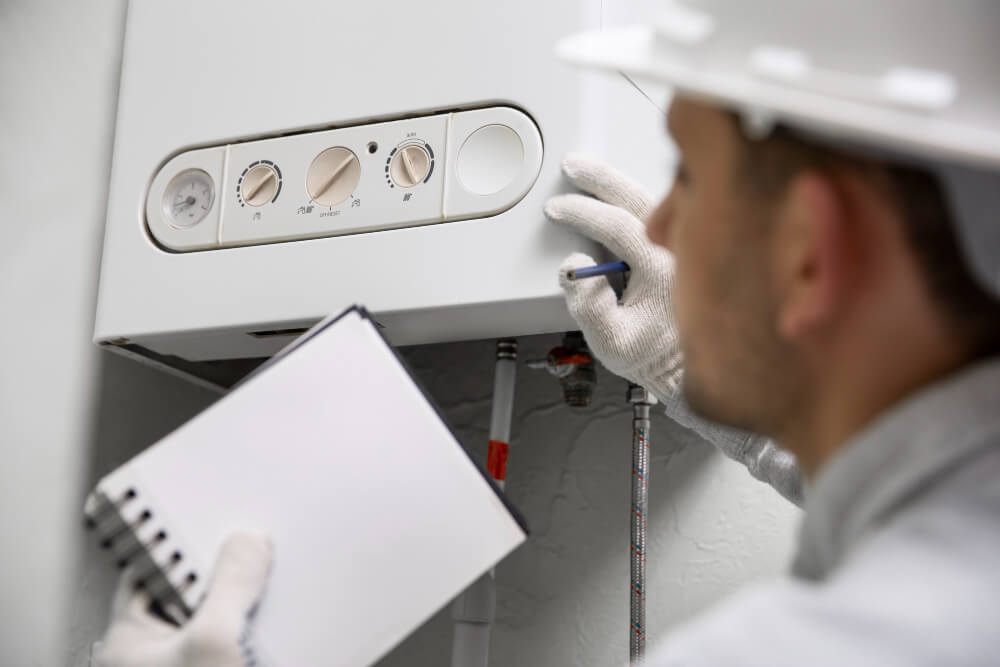
At a glance
Your boiler is the heart of your home, keeping you warm and providing hot water all year round. But like any appliance, boilers don’t last forever. On average, a well-maintained boiler should last between 10 and 15 years. Beyond that, you may start noticing problems that signal it’s time for a replacement.
Here are 10 signs you need a new boiler:
1. Your Boiler Is Over 10–15 Years Old
If your boiler is reaching its 10–15 year mark, even with regular servicing, it may no longer be efficient or cost-effective to run. Newer models are far more energy-efficient, saving you money in the long run.
2. Rising Energy Bills
An inefficient boiler has to work harder, which leads to higher gas or electricity bills. If you notice a sudden spike in your energy costs, your old boiler could be to blame.
3. Frequent Breakdowns
Calling out an engineer several times a year isn’t just inconvenient – it’s also costly. If repairs are becoming a regular occurrence, replacing your boiler may be the smarter option.
4. Strange Noises
Banging, whistling, or gurgling sounds can indicate serious internal issues such as a broken heat exchanger or pump failure. While some noises can be fixed, persistent sounds often mean your boiler is on its last legs.
5. Yellow Flame Instead of Blue
A healthy gas boiler should burn with a blue flame. A yellow or orange flame may suggest incomplete combustion, which can be dangerous. If you notice this, contact a Gas Safe registered engineer immediately.
Let’s get started, Which fuel powers your boiler?
It just takes 60 seconds
And then you can book a free consultation
6. Leaks Around the Boiler
Water pooling around your boiler is a warning sign of internal corrosion or a failing seal. Leaks can damage your home and worsen quickly, so don’t ignore them.
7. Slow Heating or Poor Hot Water Supply
If your radiators take ages to heat up or you’re struggling to get consistent hot water, your boiler may not be working efficiently enough to meet your household’s needs.
8. Frequent Pressure Drops
Constantly topping up your boiler’s pressure is a red flag. It usually points to leaks, faulty valves, or more serious internal problems.
9. Difficulty Finding Replacement Parts
For older boilers, manufacturers often discontinue spare parts. If your engineer struggles to source replacements, it’s a strong indication that a new boiler is needed.
10. Poor Energy Efficiency Rating
Older boilers tend to have lower energy efficiency ratings (such as G-rated), meaning they waste a lot of energy. Upgrading to an A-rated condensing boiler can save you hundreds of pounds a year.
✅ Final Thought:
If you’ve spotted several of the signs above, investing in a new boiler could save you money on bills, reduce breakdown stress, and keep your home warm and safe.
Related articles





At a glance
Your boiler is the heart of your home, keeping you warm and providing hot water all year round. But like any appliance, boilers don’t last forever. On average, a well-maintained boiler should last between 10 and 15 years. Beyond that, you may start noticing problems that signal it’s time for a replacement.
Here are 10 signs you need a new boiler:
1. Your Boiler Is Over 10–15 Years Old
If your boiler is reaching its 10–15 year mark, even with regular servicing, it may no longer be efficient or cost-effective to run. Newer models are far more energy-efficient, saving you money in the long run.
2. Rising Energy Bills
An inefficient boiler has to work harder, which leads to higher gas or electricity bills. If you notice a sudden spike in your energy costs, your old boiler could be to blame.
3. Frequent Breakdowns
Calling out an engineer several times a year isn’t just inconvenient – it’s also costly. If repairs are becoming a regular occurrence, replacing your boiler may be the smarter option.
4. Strange Noises
Banging, whistling, or gurgling sounds can indicate serious internal issues such as a broken heat exchanger or pump failure. While some noises can be fixed, persistent sounds often mean your boiler is on its last legs.
5. Yellow Flame Instead of Blue
A healthy gas boiler should burn with a blue flame. A yellow or orange flame may suggest incomplete combustion, which can be dangerous. If you notice this, contact a Gas Safe registered engineer immediately.
Let’s get started, Which fuel powers your boiler?
It just takes 60 seconds
And then you can book a free consultation
6. Leaks Around the Boiler
Water pooling around your boiler is a warning sign of internal corrosion or a failing seal. Leaks can damage your home and worsen quickly, so don’t ignore them.
7. Slow Heating or Poor Hot Water Supply
If your radiators take ages to heat up or you’re struggling to get consistent hot water, your boiler may not be working efficiently enough to meet your household’s needs.
8. Frequent Pressure Drops
Constantly topping up your boiler’s pressure is a red flag. It usually points to leaks, faulty valves, or more serious internal problems.
9. Difficulty Finding Replacement Parts
For older boilers, manufacturers often discontinue spare parts. If your engineer struggles to source replacements, it’s a strong indication that a new boiler is needed.
10. Poor Energy Efficiency Rating
Older boilers tend to have lower energy efficiency ratings (such as G-rated), meaning they waste a lot of energy. Upgrading to an A-rated condensing boiler can save you hundreds of pounds a year.
✅ Final Thought:
If you’ve spotted several of the signs above, investing in a new boiler could save you money on bills, reduce breakdown stress, and keep your home warm and safe.


